


What to Do About Low Blood Pressure During Pregnancy
Aug 02, 2022
Source: Cainiu Health

Dr. Tian Hongbo
Introduction
Hypotension during pregnancy may result from various factors, including changes in blood volume, uterine enlargement, hormonal fluctuations, iron-deficiency anemia, or hypothyroidism. Management options include general supportive measures and pharmacological treatment. It is recommended to seek medical attention promptly and follow the physician’s instructions for treatment. Pregnant women should ensure adequate rest and avoid prolonged standing.
Low blood pressure during pregnancy may result from various factors, including changes in maternal blood volume, uterine enlargement, hormonal fluctuations, iron-deficiency anemia, and hypothyroidism. Management options include general supportive measures and pharmacological treatment. It is advisable to seek medical evaluation at a hospital promptly and follow the physician’s treatment recommendations.
1. Changes in Blood Volume During Pregnancy
Following conception, maternal blood volume gradually increases. However, during early pregnancy, the rate of blood volume expansion may outpace the increase in cardiac output, resulting in transient hypotension. Pregnant women should prioritize adequate rest and avoid prolonged standing. When rising from bed or transitioning from sitting to standing, movements should be slow and deliberate—sit upright for a moment before standing—to minimize abrupt postural changes that may trigger blood pressure fluctuations.
2. Uterine Enlargement
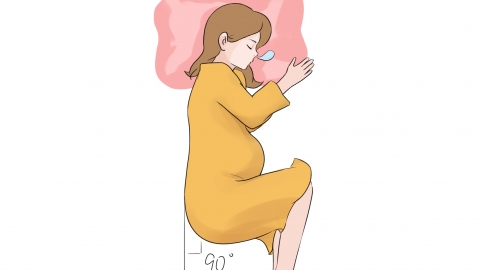
As pregnancy progresses, the enlarging uterus may compress the inferior vena cava and abdominal aorta. Compression of the inferior vena cava reduces venous return to the heart, thereby decreasing cardiac output and contributing to hypotension. To alleviate this effect, pregnant women are advised to rest in the left lateral decubitus position, which helps reduce uterine pressure on the inferior vena cava and facilitates venous return.
3. Hormonal Changes
Hormonal shifts during pregnancy influence vascular tone. For instance, elevated progesterone levels induce systemic vasodilation and reduce peripheral vascular resistance, leading to decreased blood pressure. Pregnant women should maintain emotional well-being and avoid excessive emotional stress, as mood fluctuations may further disrupt hormonal balance. Moderately increasing dietary sodium intake may help expand intravascular volume and support blood pressure stability.
4. Iron-Deficiency Anemia
Iron requirements rise significantly during pregnancy. Inadequate iron intake can readily lead to iron-deficiency anemia. Anemia impairs oxygen-carrying capacity; consequently, the body compensates by dilating peripheral vessels to ensure adequate oxygen delivery to vital organs—a mechanism that lowers blood pressure. Under medical supervision, iron supplementation with ferrous sulfate tablets, ferrous fumarate granules, or polysaccharide-iron complex capsules may be recommended to alleviate symptoms.
5. Hypothyroidism
Thyroid hormones play a key role in regulating cardiovascular function. During pregnancy, hypothyroidism—characterized by insufficient thyroid hormone production—slows overall metabolism and compromises cardiac performance, reducing cardiac output and lowering blood pressure. Treatment under physician guidance may include levothyroxine sodium tablets, thyroid tablets, or Yikang capsules to relieve associated symptoms.
Pregnant women should cultivate healthy lifestyle habits, avoid excessive fatigue, and refrain from vigorous physical activity to prevent discomfort. Gentle exercises such as walking or light jogging—tailored to individual tolerance—are encouraged, as they enhance immune resilience and support physiological recovery.



