


What should I do for dysmenorrhea and lower abdominal discomfort?

Discomfort in the lower abdomen is a common occurrence, especially among adolescent girls. However, numerous factors can cause lower abdominal pain—among them, menstrual cramps (dysmenorrhea), which manifest as abdominal pain during menstruation. So, what can be done to alleviate lower abdominal discomfort caused by dysmenorrhea?
How to Alleviate Lower Abdominal Discomfort Caused by Dysmenorrhea
Lower abdominal discomfort due to dysmenorrhea can be relieved by orally administering prostaglandin synthase inhibitors, such as ibuprofen, ketoprofen, or diclofenac. These medications inhibit the activity of prostaglandin synthase, thereby reducing prostaglandin production, preventing excessive uterine contractions and spasms, and ultimately alleviating or eliminating menstrual pain. Medication may be started immediately upon onset of menstruation and continued for two to three days.

Dysmenorrhea primarily results from elevated prostaglandin levels in the endometrium during menstruation. During menses, lysosomal enzymes break down endometrial cells, releasing large amounts of prostaglandins. Increased prostaglandin concentrations trigger excessive contraction of uterine smooth muscle and vascular spasm, leading to uterine ischemia and hypoxia—and thus causing dysmenorrhea.
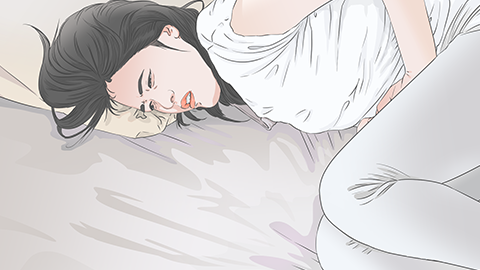
Maintaining a regular daily routine is essential. Avoid staying up late, excessive stress, anxiety, or physical overexertion—all of which may exacerbate dysmenorrhea. Pay attention to diet: aim for balanced nutrition and consume mild, warming foods while avoiding raw or cold foods, which may worsen symptoms. Drinking brown sugar–ginger tea may help warm the lower abdomen and promote smooth menstrual flow, thereby relieving dysmenorrhea. Regular intake of vitamins may also help alleviate menstrual pain. Women with severe organic gynecological conditions—such as endometriosis, adenomyosis, or uterine fibroids—should seek medical evaluation at a hospital. We hope this information proves helpful. Wishing you good health and happiness!


