


What should I do if I develop hemorrhoids?

Hemorrhoids are closely associated with lifestyle habits, dietary patterns, and bowel habits. For instance, inadequate rest may lead to constipation; staying up late can contribute to hemorrhoid development and vascular congestion; and dietary habits also play a significant role. Insufficient water intake and inadequate dietary fiber may result in poor stool consistency, thereby adversely affecting defecation. So, what should you do if you develop hemorrhoids?
What to Do If You Develop Hemorrhoids
Treatment of hemorrhoids is primarily symptom-based. If bleeding during defecation is the predominant symptom, topical treatments such as Ma Ying Long Hemorrhoid Ointment or hemorrhoid suppositories may be used. In cases of substantial rectal bleeding, oral medications—including Diosmin tablets or Huai Jiao Wan (Sophora Flower Pills)—may be prescribed concurrently. For patients presenting mainly with prolapse or pain, topical sitz baths using potassium permanganate solution or Kushen (Sophora flavescens) washes may be beneficial. Symptoms typically improve within 3–5 days of initiating these treatments; however, patients experiencing unsatisfactory results should promptly seek medical evaluation at a hospital.
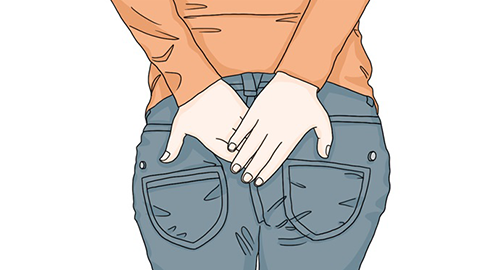
Hemorrhoids are a common clinical condition, affecting a large proportion of the population. When symptoms are mild, the primary management strategy involves modifying dietary habits and regulating bowel movements, supplemented by pharmacologic therapy—effectively controlling the condition in most cases. For example, patients with intermittent rectal bleeding may benefit from hemorrhoid suppositories or ointments. Additionally, it is advisable to maintain a light, non-irritating diet—avoiding spicy, stimulating, dry, overheated, or fried foods, and minimizing barbecued dishes. Avoid staying up late, ensure smooth and regular bowel movements, limit time spent on the toilet, and regularly perform pelvic floor (anal lift) exercises, all of which help improve hemorrhoidal symptoms. However, for patients experiencing significant pain or recurrent prolapse, surgical intervention is generally recommended.

Patients are advised to increase fluid intake and consume easily digestible, fresh fruits and vegetables—such as bananas. We hope this information proves helpful to you.


