


How to Treat Hemorrhoids

Hemorrhoids are the most common anorectal disorder and can occur at any age. They can cause significant inconvenience in patients’ daily lives and seriously compromise their health. So, how should hemorrhoids be managed?
How to Manage Hemorrhoids
During treatment of hemorrhoidal symptoms, the primary approach involves dietary modifications to maintain regular, soft bowel movements. Combined with appropriate hemorrhoid medications, most symptoms can be effectively alleviated. Since hemorrhoids are a vascular condition—not a malignant one—the goal of treatment is symptom relief rather than cure. However, if symptoms such as prolapsed masses or bleeding fail to improve adequately with conservative measures, surgical excision may be necessary. Importantly, surgery itself only addresses the immediate symptoms; therefore, continued attention to diet and postoperative bowel habits remains essential—particularly avoiding spicy foods, alcohol, and other irritants—to both relieve symptoms and reduce the risk of recurrence.
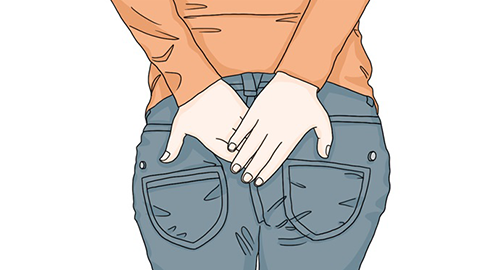
Many underlying causes of hemorrhoids stem from intestinal obstruction and chronic constipation. Numerous patients suffer from long-term irregular bowel habits, leading to persistent anal congestion. Over time, this predisposes them to developing hemorrhoids. Therefore, establishing a consistent, daily bowel routine is crucial. Upon waking each morning, individuals should head to the toilet to attempt defecation—even in the absence of an immediate urge—to help train the body to develop a reliable bowel reflex over time. It is also advisable to avoid using mobile phones or reading newspapers while on the toilet; although these activities may seem to pass the time, they unnecessarily prolong defecation and contribute to both the development and recurrence of hemorrhoids.

Patients are encouraged to drink ample water and consume easily digestible, fresh fruits and vegetables—such as bananas. We hope this information proves helpful.


