


How to restore normal uterine size in cases of uterine hypertrophy

After childbirth, women may experience a range of abnormal reactions, such as uterine abnormalities or weight gain. It is important to take preventive measures to minimize these symptoms. So, how can uterine hypertrophy (enlargement) be restored to normal?
How to Restore Uterine Hypertrophy to Normal
Treatment options for uterine hypertrophy include:
1. For patients diagnosed with uterine hypertrophy, conservative management should be the first-line approach. Additionally, medication may be selected based on individual circumstances—for example, androgen therapy can help reduce menstrual blood flow.
2. If drug therapy or conservative treatment proves ineffective, hysterectomy may be considered. Practicing effective family planning can help reduce the incidence of uterine hypertrophy. Women should monitor their physical condition regularly to detect early signs of ovarian dysfunction.
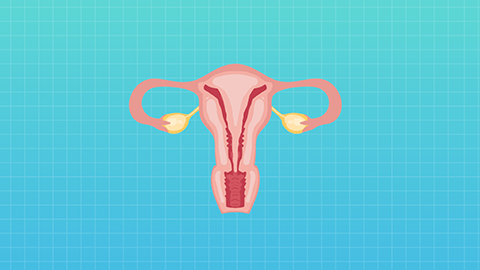
Uterine hypertrophy is primarily caused by prolonged stimulation from chronic inflammation. This may lead to irregular menstrual cycles and even ovulatory disorders. Due to abnormal uterine size, the endometrium may also become abnormal, potentially resulting in difficulties conceiving or early pregnancy loss. Women are advised to maintain adequate rest and avoid excessive physical strain.

Patients should pay close attention to personal hygiene and change undergarments frequently. Underwear should be loose-fitting—avoid tight or synthetic (e.g., nylon) non-cotton styles, as poor breathability may promote bacterial growth and exacerbate cervical hypertrophy or other gynecological conditions. After changing undergarments, it is advisable to disinfect them by scalding with boiling water; do not wash them together with others’ undergarments to prevent cross-infection. We hope this information is helpful. Wishing you good health and happiness!


