


How to Relieve Itching Caused by Hives
Aug 03, 2022
Source: Cainiu Health

Dr. Liu Wan
Introduction
Urticarial skin lesions are often accompanied by intense, unbearable pruritus. Cold compress therapy may be selected: a cold, wet towel can be applied directly to the itchy area, or the wet towel can be chilled in the refrigerator for several minutes before being used for cold compress application. Moist compresses help lower the temperature of the affected skin, reduce histamine release, and alleviate pruritus. In addition, topical medications may be used symptomatically to manage pruritus during urticarial episodes.
Urticaria, commonly known as “hives” or “nettle rash,” is a prevalent skin disorder. Based on disease duration, it is classified into acute and chronic forms. Its etiology is complex—not only involving allergic factors, which constitute the primary trigger, but also other contributors such as compromised immune function. A hallmark of acute urticaria is intense pruritus (itching), significantly disrupting patients’ daily life and work. So, how can one alleviate urticaria-related itching?
How to Alleviate Urticaria-Related Itching
The pruritus associated with urticarial lesions is often severe and intolerable. Cold compress therapy may be employed: apply a cold, wet towel directly to the affected area, or chill a damp towel in the refrigerator for several minutes before applying it to the itchy site for cold compression. This moist cold application helps lower skin temperature at the lesion site, thereby reducing histamine release and relieving pruritus. Topical medications may also be used symptomatically during urticarial episodes. Such agents typically possess antipruritic and antimicrobial properties, effectively alleviating localized itching.
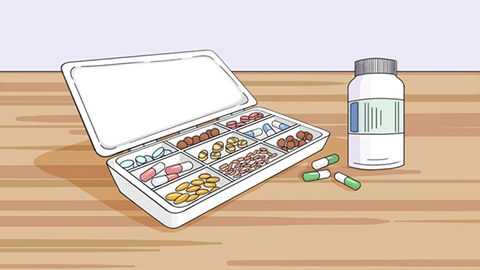
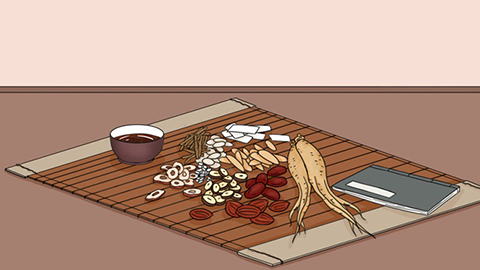
When pruritus persists and topical treatments prove ineffective, oral medications may be considered. While monotherapy with oral agents is uncommon, combination therapy—often integrating oral and topical medications—can provide rapid relief from itching and microbial infection, while also mitigating localized pruritus. Patients should consult a qualified physician for specific treatment recommendations; self-medication without professional guidance is strictly discouraged. Traditional Chinese medicine (TCM) demonstrates certain therapeutic efficacy against urticaria, primarily through dispelling wind, relieving itching, clearing heat, and detoxifying. In cases of severe localized pruritus, TCM fumigation and steaming therapy may be applied to enhance local blood circulation and reduce symptoms such as itching and pain. However, TCM administration requires strict adherence to professional medical supervision due to its complexity and individualized nature.
Patients are advised to cultivate healthy lifestyle habits and maintain a balanced diet, avoiding spicy and irritating foods. We hope this information proves helpful.



