


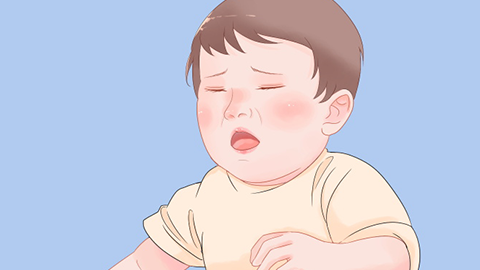
The child coughs and experiences dry heaving in the middle of the night.

Coughing and dry heaving trouble many people. This condition requires timely treatment, as it typically involves a persistent, long-standing cough that can trigger dry heaving. If treated promptly, the condition is generally not severe and can be fully resolved.
Why does a child cough and experience dry heaving in the middle of the night?
Children may cough at night and subsequently vomit. Severe coughing can strongly stimulate the nervous system, leading to autonomic nervous system dysfunction and triggering gastrointestinal reactions—including vomiting. Since this vomiting is secondary to coughing, the underlying cause of the cough must first be identified and addressed accordingly. For instance, check whether the child has a fever, cough, or sputum production. Fever accompanied by cough and sputum may indicate bronchopneumonia.
Under a physician’s guidance, antimicrobial and anti-inflammatory medications should be combined with antitussive, expectorant, and bronchodilator agents. If the child has no daytime cough or fever but experiences intermittent coughing only at night, cough-variant bronchial asthma may be suspected. This condition can be managed with bronchodilators and anti-allergic medications—for example, montelukast, prescribed and monitored by a doctor. Once the cough and vomiting are effectively controlled, these symptoms will not recur.

Patients are advised to follow a light, bland diet—avoiding spicy and fried foods entirely. Maintaining a positive mental state, adequate rest, and quality sleep will further support recovery. We hope this information proves helpful.


