


What causes frequent morning dry heaving?

Frequent morning dry heaving can damage the gastrointestinal tract and esophagus, causing certain harm to the body and negatively affecting the patient’s emotional well-being. Therefore, identifying the underlying cause of morning dry heaving is essential to ensure timely and effective treatment. So, what causes persistent dry heaving upon waking?
What Causes Persistent Dry Heaving Upon Waking?
Early-stage dry heaving is one of the symptoms of chronic pharyngitis. While throat pain is a common symptom of pharyngeal inflammation, it often becomes more noticeable after nighttime rest—when individuals typically refrain from eating or drinking. Consequently, the throat tends to become relatively dry overnight. If inflammation is present, using the throat (e.g., during toothbrushing or drinking water) may trigger dry heaving. Patients frequently experience weak, unproductive coughing and difficulty swallowing. Without prompt treatment, this condition may gradually progress to chronic pharyngitis, at which point dry heaving becomes more severe and harder to treat.

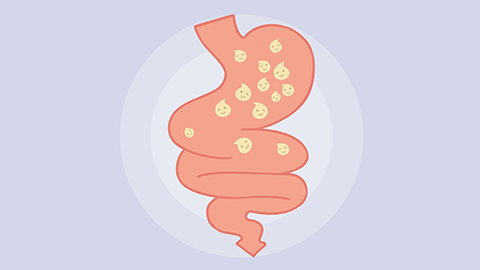
Patients with gastroesophageal reflux disease (GERD) are also prone to dry heaving upon waking. GERD commonly results from inflammation in the stomach or esophagus, leading to weakened anti-reflux defense mechanisms—particularly relaxation of the lower esophageal sphincter. However, after an overnight fast, the stomach is usually empty, resulting in only mild reflux exposure to the esophageal mucosa; thus, dry heaving may occur. If left untreated, the condition may progress over time to chronic gastritis, making dry heaving significantly worse and much more difficult to resolve.
Patients are advised to maintain a balanced diet and avoid spicy, raw, cold, or otherwise irritating foods. We hope this article has been helpful to you.


