


Why does my baby cough and gag?

Infants often experience various urgent situations during early childhood, such as dry heaving (retching without vomiting), which is most commonly caused by improper feeding posture. It may also result from excessive anxiety during feeding, impairing the infant’s ability to digest properly. However, many mothers are first-time parents and lack sufficient understanding of dry heaving. So, what causes an infant to cough and dry heave?
What Causes an Infant to Cough and Dry Heave?
Dry heaving in infants may be triggered by throat irritation due to coughing—a relatively common symptom. Coughing serves to clear irritants, secretions, or other foreign substances from the respiratory tract. Frequent or severe coughing can induce diaphragmatic spasms, leading to dry heaving. The underlying cause of coughing may include viral respiratory infections causing pharyngitis; alternatively, it could stem from mycoplasma or bacterial infections resulting in pneumonia or bronchitis. Given the wide range of possible etiologies, a medical evaluation—including relevant diagnostic tests—is essential to determine the precise cause.
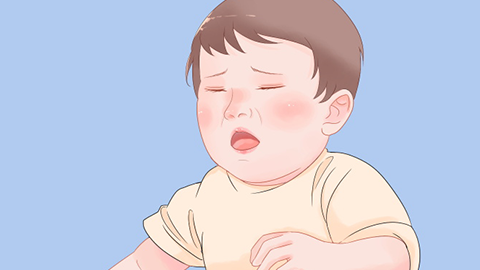
If an infant exhibits both coughing and dry heaving, pharyngitis may be present. Only inflammation localized to the pharynx would sufficiently irritate the infant to provoke persistent dry heaving—especially upon waking in the morning. In cases of inflammation, it is crucial to differentiate between allergic, bacterial, viral, or mycoplasma-induced causes. Additionally, some infants may experience dry heaving due to mouth breathing during sleep, which dries out oral mucosal secretions via evaporation. Dry heaving may thus occur more frequently during sleep or upon awakening. In such instances, encouraging the infant to breathe through the nose—and avoiding prolonged mouth breathing—can help alleviate symptoms.
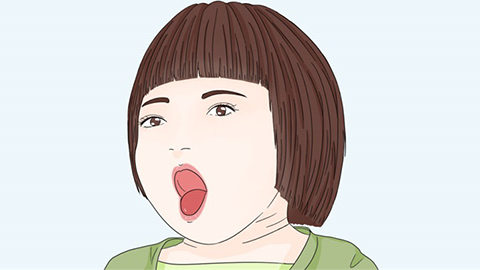
We recommend that infants avoid sleeping with their mouths open and consume easily digestible foods. We hope this article has been helpful to you.


