


Can povidone-iodine treat onychomycosis (gray nail)?

After sustaining a skin injury, iodophor is commonly used for disinfection and sterilization. Due to its broad-spectrum antimicrobial activity, iodophor effectively kills bacterial vegetative cells and can also eliminate certain fungi and viruses. But can iodophor treat onychomycosis (gray nail)?
Can Iodophor Treat Onychomycosis?
Iodophor has limited efficacy against onychomycosis and is not recommended for its treatment. Onychomycosis is a fungal infection affecting the nail plate. Clinical manifestations—including discoloration, thickening, and brittleness or crumbling of the nail—are collectively referred to as “gray nail.” Standard treatment for onychomycosis typically involves both oral and topical antifungal medications.
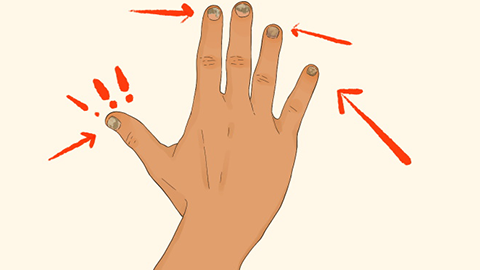
Commonly prescribed oral antifungals include itraconazole, terbinafine, fluconazole, and clarithromycin. These agents reach the nail plate via systemic circulation, achieving relatively high local drug concentrations that facilitate effective eradication of nail-bed fungi. Topical treatments are also widely used, including terbinafine cream, sertaconazole cream, luliconazole cream, and compound benzoic acid tincture.

Additionally, focal laser therapy has demonstrated success in treating onychomycosis. This approach uses localized photothermal energy to enhance transungual penetration of topical antifungals, thereby improving their absorption and therapeutic effect. During treatment, it is essential to protect the affected nail—avoiding pressure, trauma, or impact that could trigger secondary inflammation or infection. We hope this information proves helpful!


