


What Are the Symptoms of Post-Stroke Sequelae?

Many people are familiar with stroke in daily life, and its incidence is rising sharply. Numerous stroke patients fail to recognize the seriousness of their condition at onset, and various factors contribute to the development of post-stroke sequelae. These complications bring greater challenges—only by understanding the symptoms of post-stroke sequelae can effective intervention be initiated. So, what are the common symptoms of post-stroke sequelae?
What Are the Symptoms of Post-Stroke Sequelae?
Facial asymmetry is a relatively prominent symptom of post-stroke sequelae. Many patients experience muscle spasm leading to facial paralysis, resulting in drooping of the mouth corner, exposure of teeth, and a crooked smile—causing drooling and slurred speech. Disturbances in consciousness also represent a significant and potentially life-threatening manifestation of post-stroke sequelae. Additionally, many patients may lapse into coma, particularly following subarachnoid hemorrhage, which further exacerbates disorders of consciousness.
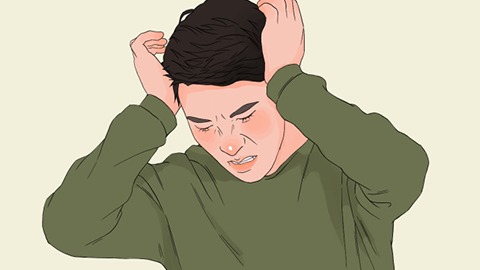
In terms of sensory disturbances, numbness is severe and may even progress to loss of sensation. Many patients report sensations resembling acupuncture or pain in their fingers and toes. In daily life, patients often exhibit delayed responsiveness; numbness may worsen with weather changes—especially in hot, humid environments. Hemiplegia is another frequent sequela, primarily resulting from compression of one cerebral hemisphere due to compromised cerebral vasculature. Patients may experience hemiplegia ranging from complete to partial paralysis. This significantly impacts physical function and may lead to muscle spasm and spastic paralysis, severely compromising neuronal health, causing muscle atrophy, and reducing muscle tone.

Patients are advised to control portion sizes and avoid overeating. Incorporating whole grains into the diet is recommended. Most importantly, intake of sweets should be minimized, and body weight should be carefully managed. We hope this information proves helpful to you.


