


What should I do if a 13-year-old girl has excessive vaginal discharge?

Vaginal discharge in a 13-year-old girl is generally a normal physiological phenomenon, primarily due to hormonal changes that occur during puberty. As the body’s endocrine system matures, increased estrogen levels stimulate the vaginal mucosa, leading to physiological vaginal discharge. However, excessive vaginal discharge is considered abnormal and warrants medical evaluation and treatment. So, what should be done if a 13-year-old girl experiences abnormally heavy vaginal discharge?
What to Do If a 13-Year-Old Girl Has Excessive Vaginal Discharge
A 13-year-old girl—especially one experiencing increased vaginal discharge—should promptly undergo routine vaginal discharge testing at a hospital to determine the underlying cause and receive appropriate treatment. Causes are typically categorized as either physiological or pathological. If the excess discharge results from physiological factors, maintaining good personal hygiene is usually sufficient: encourage regular washing of the external genitalia and frequent changing of undergarments to prevent bacterial growth.
Many girls aged 13 are entering puberty, during which menstrual cycles gradually begin. With the onset of menstruation, vaginal discharge commonly appears. However, the volume and consistency of vaginal discharge vary among individuals and may be influenced by dietary habits and psychological factors—such variations are generally part of normal physiology and do not require undue concern.
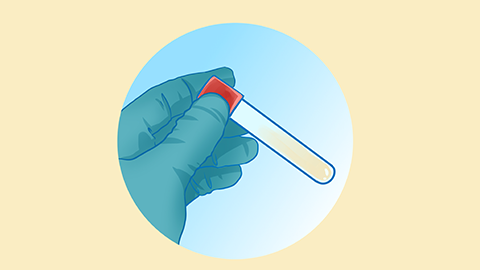
However, symptoms such as vulvar pruritus (itching) or dysuria (painful urination) must be taken seriously, as they may indicate pathological conditions—for example, vaginitis or urinary tract infection. In such cases, immediate medical consultation and routine vaginal discharge testing are essential. Under a physician’s guidance, antimicrobial and anti-inflammatory medications—such as cephalosporins or amoxicillin—may be prescribed. We hope this information proves helpful!


