


What Causes Night Sweats?

Night sweats are a phenomenon familiar to most people. We refer to them as “night sweats” because the sweating occurs during sleep and ceases upon waking. Many individuals commonly attribute this symptom to kidney deficiency or yin deficiency. In reality, however, night sweats are not solely indicative of physical weakness; they may also stem from numerous other underlying conditions. So, what causes night sweats?
What Causes Night Sweats?
Generally, night sweats primarily result from yin deficiency and internal heat. Night sweats are defined as abnormal sweating that occurs after falling asleep and stops upon awakening. In some cases, they arise from accumulation of damp-heat or liver-fire agitation. When accompanied by symptoms such as heat sensation in the palms, soles, and chest (“five-center heat”), afternoon feverishness, dry mouth and thirst, red tongue with scanty coating, the condition is typically attributed to yin deficiency with internal heat. Irritability, red tongue, and greasy coating on the tongue suggest damp-heat or liver-fire agitation. Some patients experience sweating during sleep simply due to an overly warm room or excessively thick bedding. To help prevent night sweats, avoid spicy and greasy foods in daily meals; instead, consume more fresh vegetables and fruits. Maintain a comfortable room temperature and avoid using overly heavy bedding. Additionally, regulate your emotions, maintain an optimistic outlook, and avoid staying up late.
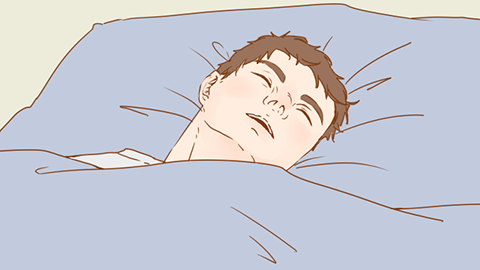
Night sweats may also occur due to environmental factors—such as excessively high room temperature or poor air circulation. If night sweats are accompanied by five-center heat and soreness or weakness in the lower back and knees, the cause is likely yin deficiency with internal heat, kidney-yin deficiency, excessive fatigue of the heart, or general constitutional weakness. If night sweats co-occur with palpitations, shortness of breath, insomnia, vivid dreams, or anxiety, consider possible involvement of heart-yang deficiency, heart-qi insufficiency, chronic overexertion, prolonged illness, or excessive mental strain.
Patients are advised to avoid spicy and greasy foods, increase intake of fresh vegetables and fruits, maintain a comfortable ambient temperature, and avoid overly thick bedding. Emotional regulation, maintaining an optimistic attitude, and avoiding late-night activity are also important. We hope this information proves helpful to you.


