


Can patients with heart disease soak their feet?
Aug 03, 2022
Source: Cainiu Health

Dr. Li Man
Introduction
Patients with heart disease can soak their feet, which offers numerous health benefits. Additionally, blood-activating and meridian-regulating traditional Chinese herbal medicines can be added to improve circulation in the lower limb blood vessels. When soaking the feet, attention must be paid to water temperature—it should neither be too high nor excessively hot; otherwise, it may cause vasodilation in the lower limbs, potentially leading to blood stasis and resulting in relatively insufficient cerebral perfusion.
Although the pace of modern life is relatively fast, an increasing number of people are choosing to slow down and pursue comfort. For instance, health preservation (yangsheng) is currently one of the most popular topics. When it comes to health preservation, many people immediately think of foot soaking. So, can individuals with heart disease soak their feet?
Can individuals with heart disease soak their feet?
Yes, patients with heart disease may soak their feet—a practice that offers numerous health benefits. Adding traditional Chinese herbal medicines that promote blood circulation and unblock meridians can further improve blood flow in the lower limbs. However, attention must be paid to water temperature: it should neither be too high nor excessively hot, as excessively warm water may cause excessive dilation of the lower-limb blood vessels, potentially leading to blood stasis in the legs and resulting in relatively insufficient cerebral blood supply. Additionally, heart disease patients should limit foot-soaking duration to no more than 20 minutes.
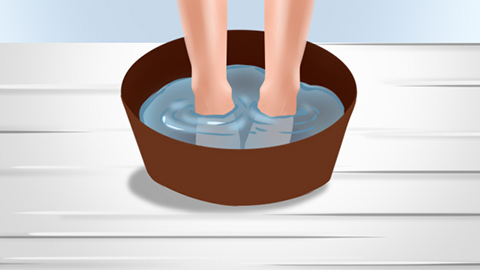
Foot soaking also requires attention to water level and the choice of foot basin. Specifically, the water level should be neither too high nor too low—ideally, it should not exceed the ankles. If the water level is too high, a larger surface area of the feet and lower legs will be immersed, potentially causing blood to pool in the lower extremities and reducing blood supply to the heart or other vital organs. Certain therapeutic herbs may be added to the foot bath; indeed, numerous traditional Chinese medicinal herbs are suitable for medicated baths and foot soaks.
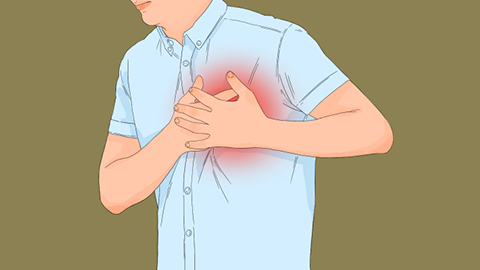
It is recommended that patients with heart disease maintain regular daily routines, avoid overwork, and engage in appropriate physical exercise. Their diet should be light and low in oil and fat—avoiding greasy or barbecued foods, for example. Moreover, maintaining a calm and cheerful mood is essential; excitement, tension, and excessive emotional arousal should be avoided. We hope this information proves helpful to you.


