


How is chronic parotitis treated?

Mumps is a common disease. When it occurs, symptoms include fever, localized swelling, and pain in the parotid gland. If left untreated, it may lead to complications such as meningoencephalitis or orchitis. So how is chronic parotitis treated?
How Is Chronic Parotitis Treated?
Patients diagnosed with chronic parotitis should seek evaluation and treatment at the Department of Stomatology or Oral and Maxillofacial Surgery in a hospital. Chronic parotitis often exhibits self-limiting characteristics. Patients may rinse their mouth with warm saline solution to maintain oral hygiene and cleanliness. Increasing daily water intake, gently massaging the parotid gland to facilitate saliva drainage, and chewing sugar-free gum regularly to stimulate salivary secretion are also recommended. In cases of acute inflammatory flare-ups, cephalosporin antibiotics may be prescribed. For patients experiencing frequent recurrences, thymosin injections may be considered to modulate immune function.
If the condition is chronic recurrent parotitis, spontaneous resolution is typical. Therefore, management focuses on enhancing host resistance, preventing secondary infection, and minimizing triggers. Patients are advised to increase fluid intake, perform daily glandular massage to promote saliva drainage, rinse with warm saline, maintain good oral hygiene, and chew sugar-free gum to stimulate salivary flow. In cases of acute inflammation, appropriate antibiotics may be selected. Clinically, parotitis can be classified into suppurative parotitis, epidemic parotitis (mumps), and autoimmune parotitis. Autoimmune parotitis is more commonly associated with chronic autoimmune disorders, such as Sjögren’s syndrome and IgG4-related disease.
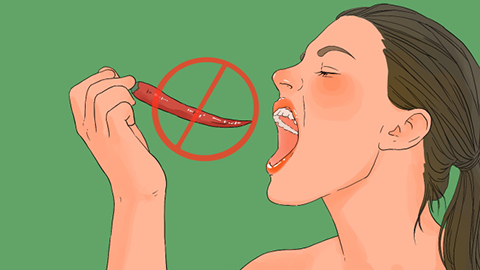
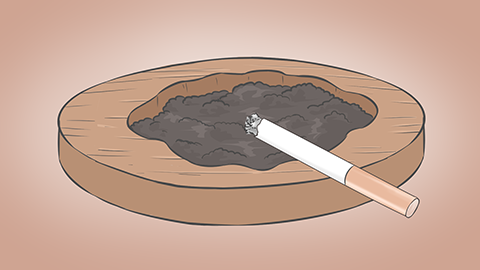
Patients are advised to follow a light, bland diet; avoid spicy and irritating foods; abstain from smoking and alcohol; maintain regular sleep patterns; and avoid staying up late. We hope this information is helpful to you.


