


How is chronic non-atrophic gastritis with erosion treated?

For symptoms of chronic non-atrophic gastritis with erosion, we must never be careless. Once such symptoms are observed, patients should promptly visit a hospital for gastroscopy to determine the severity of the condition as soon as possible, followed by selection of an appropriate treatment plan. Patients must not delay seeking medical care, as doing so may lead to more serious complications—including even gastric cancer. So, how is chronic non-atrophic gastritis with erosion treated?
How Is Chronic Non-Atrophic Gastritis with Erosion Treated?
Chronic non-atrophic gastritis with erosion can be managed pharmacologically. This condition typically results from chemical or physical irritants—or infection with Helicobacter pylori—causing mucosal erosion, congestion, and edema. Treatment should primarily focus on acid suppression and gastric mucosal protection. Proton pump inhibitors (PPIs), such as lansoprazole and omeprazole, may be administered orally. Concurrently, mucosal protective agents—including colloidal bismuth pectin and magnesium aluminum chewable tablets—may be used in combination. If gastric distension occurs, prokinetic agents such as domperidone or mosapride may be prescribed. In cases of confirmed H. pylori infection accompanied by recurrent upper abdominal discomfort or pain, eradication therapy targeting H. pylori, combined with acid-suppressing medications and mucosal protectants, yields optimal therapeutic outcomes.

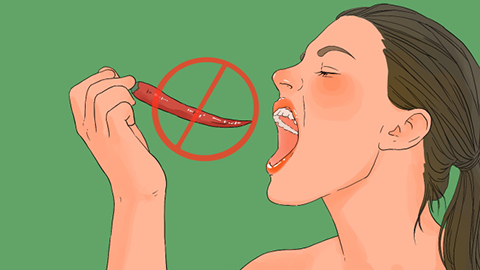
If the eroded area is extensive, Kangfuxin Liquid may be taken orally to promote healing of the erosions and exert anti-inflammatory effects. Symptomatic treatment is also essential during this period. For instance, if dyspepsia develops, digestive aids such as Jianweixiaoshi Pian (Gastric Digestive Tablets) or Shanzha Wan (Hawthorn Pills) may be prescribed. These traditional Chinese medicines aid digestion and regulate spleen-stomach function. Additionally, patients should maintain a light, bland diet and avoid spicy or irritating foods.
Patients are advised to drink plenty of water and consume easily digestible, fresh fruits and vegetables—such as bananas. We hope this information proves helpful to you.


