


What Causes Congenital Astigmatism?

Astigmatism is a very common refractive error. In individuals with astigmatism, the degree of astigmatism tends to remain relatively stable throughout life and does not typically increase or decrease with age. There are many causes of astigmatism; depending on the underlying cause, appropriate corrective measures can be selected to restore normal vision. For example, in cases where irregular corneal shape is responsible, surgical correction may be an option. But what causes congenital astigmatism?
What Causes Congenital Astigmatism?
The primary cause of congenital astigmatism lies in abnormalities affecting corneal development during embryogenesis, resulting in an irregular corneal surface contour and thereby causing astigmatism present at birth. When astigmatism arises from congenital factors, it often becomes detectable in children aged 1–2 years or 2–3 years, at which point measurements typically reveal relatively high degrees—often 200 or 300 diopters, or even higher. Generally, such congenital astigmatism is comparatively severe. Provided no additional external factors (e.g., trauma or disease) intervene later in life, the degree remains relatively stable with minimal change over time. Therefore, for congenital astigmatism, there are currently no effective pharmacological, surgical, or physical treatments; optical correction using spectacles remains the standard and most appropriate management strategy.
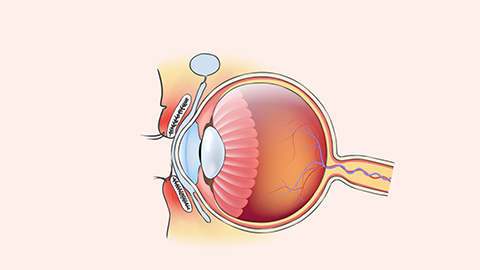
Congenital astigmatism results from suboptimal development of corneal shape and irregular topographic variations occurring during human embryonic development. After birth, when external light enters the eye, it usually fails to converge precisely onto the retina to form a sharp focal point; instead, it produces a blurred, ring-shaped image—leading to astigmatism.

We recommend that patients cultivate healthy visual habits and maintain good ocular hygiene: avoid reading or using mobile devices while lying down, and adopt proper posture during reading. Additionally, increased outdoor activity is encouraged, and prolonged near-work should be minimized. We hope this information proves helpful to you.


