


What Causes Itching in Keratitis?

Keratitis is an injury and inflammation affecting the outer surface of the eyeball. Because this area is relatively exposed to the external environment, accidental injury is common. Mild keratitis typically presents with photophobia and excessive tearing. Severe cases may lead to blindness. So, what causes itching in keratitis?
Why does keratitis cause itching?
Itching associated with keratitis may result from the underlying inflammatory process. Keratitis is an inflammatory condition involving the ocular surface tissues; classic pathological features of inflammation include redness, swelling, heat, and pain. Inflammatory mediators released during this process often induce pruritus (itching), which explains why patients with keratitis may experience eye itching. Nevertheless, hallmark symptoms of keratitis remain ocular redness and pain. Additionally, the cornea serves as a critical refractive medium of the eye; thus, keratitis commonly leads to visual impairment and blurred vision. Treatment varies depending on the causative pathogen—commonly prescribed agents include antibiotics, antiviral medications, and topical ophthalmic solutions aimed at promoting corneal healing.
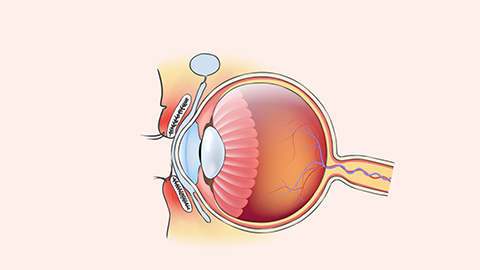
Keratitis is a common ophthalmic condition with multiple etiologies. The most frequent causes include the following: First, infectious agents—such as bacteria, viruses, and fungi. Second, physical trauma—including ocular injury or ultraviolet radiation–induced photokeratitis (welder’s flash). Third, chemical burns—caused by exposure to acids, alkalis, or other caustic substances entering the eye, resulting in severe corneal damage. Fourth, immune-mediated or allergic reactions. Since treatment strategies differ significantly based on the underlying cause, self-medication should be strictly avoided; inappropriate or delayed therapy not only fails to resolve the condition but may also exacerbate disease progression—potentially leading to corneal ulceration, perforation, and even globe atrophy.
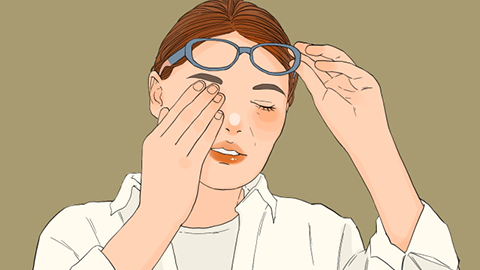
Patients are advised to maintain adequate rest, avoid fatigue, and follow a balanced diet. Consume nutrient-rich, easily digestible foods low in residue and free of irritants; drink plenty of water, avoid alcohol, and refrain from consuming shellfish such as shrimp and crab. We hope this information proves helpful.


