


What symptoms indicate worsening keratitis?

Keratitis is a very common eye disease encountered in daily life, primarily caused by corneal infection. This condition poses significant risks to patients and requires prompt treatment and proper rest; otherwise, it may adversely affect the patient’s daily life, work, and studies. Symptoms of keratitis are often detectable early, and early intervention typically yields excellent therapeutic outcomes. So, what symptoms indicate that keratitis has become severe?
Signs Indicating Severe Keratitis
Worsening keratitis is characterized by symptoms such as ocular pain, photophobia, excessive tearing, and eyelid spasm. In addition to ciliary injection, patients with severe keratitis may also exhibit iris congestion. In more advanced cases, edema may involve the bulbar conjunctiva and even the eyelids. Moreover, clinical manifestations vary depending on the underlying cause. Bacterial keratitis has the most acute onset and the most severe symptoms, accompanied by copious, viscous discharge. Viral keratitis follows in severity, with scanty, watery or mucoid discharge. Fungal keratitis tends to be the mildest in terms of subjective symptoms—even when corneal lesions are extensive, patients may experience minimal discomfort. In patients with herpes simplex keratitis, corneal sensation may be diminished.
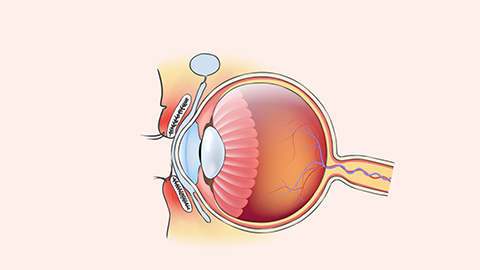
If keratitis remains inadequately controlled, the inflammation may progress deeper into the eye, exacerbating the condition. This can lead to corneal ulceration—and if unchecked, further ulceration may result in corneal perforation, intraocular inflammation, and permanent blindness. In severe cases, secondary complications such as corneal perforation, intraocular infection, and irreversible vision loss may occur. Therefore, once keratitis is diagnosed, timely, aggressive evaluation and treatment are essential. Necessary interventions—including, in worst-case scenarios, corneal transplantation—must be undertaken promptly to control inflammation before irreversible damage occurs.

Patients are advised to seek medical attention as early as possible for prompt diagnosis and treatment, which generally leads to favorable outcomes. Adequate rest is also crucial to facilitate rapid recovery. We hope this information proves helpful to you.


