


What Causes Abdominal Pain Before Menstruation?

Many women experience abdominal pain during their menstrual period. In severe cases, they may also suffer from diarrhea, vomiting, fever, and other symptoms. Menstrual abdominal pain significantly impairs women’s normal work and daily life; therefore, it is essential to actively identify the underlying causes and implement appropriate treatment. So, what causes abdominal pain before menstruation?
What Causes Abdominal Pain Before Menstruation?
Abdominal pain before menstruation is often due to dysmenorrhea. If a woman has a relatively narrow cervix, menstrual blood flow may become obstructed, leading to pain—this is known as primary dysmenorrhea. Additionally, uterine hypoplasia (underdevelopment of the uterus) can impair blood supply within the uterus, resulting in uterine ischemia and hypoxia, which in turn trigger painful uterine muscle spasms and contractions. Dysmenorrhea may also be associated with unhealthy lifestyle habits: some women frequently consume cold or raw foods, which can overstimulate the uterus, causing excessive spastic contractions and thus dysmenorrhea.

Women with irregular work and rest schedules are more prone to endocrine imbalances, which can lead to both dysmenorrhea and menstrual irregularities. Regular smoking and alcohol consumption can adversely interfere with normal menstrual physiology and increase the risk of dysmenorrhea. Moreover, excessive mental stress during menstruation heightens pain sensitivity, and genetic factors may also contribute to dysmenorrhea in some women. Dysmenorrhea may also stem from certain gynecological conditions—such as pelvic inflammatory disease (PID) or endometriosis—which can cause pain due to inadequate menstrual blood flow. Furthermore, the presence of intrauterine contraceptive devices (IUDs), particularly hormonal IUDs, may exacerbate dysmenorrhea symptoms in some women.
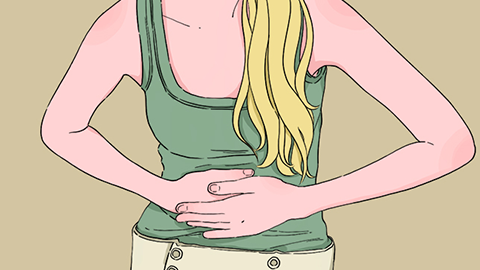
Women experiencing menstrual pain should maintain healthy daily routines: engage in regular physical exercise, keep warm, and avoid consuming cold foods. We hope this information proves helpful to you.


