


What are the symptoms of nasopharyngitis?
Aug 04, 2022
Source: Cainiu Health

Dr. Xu Gang
Introduction
Common symptoms of nasopharyngitis include dryness, pain, discomfort, a crawling or tingling sensation, and itching in the nasopharynx—sometimes even frank pain. Postnasal drip may also occur, potentially triggering coughing. These are typical manifestations of nasopharyngitis; in severe cases, systemic symptoms such as nasal congestion and fever may develop. Typically, these symptoms can be managed with nasal irrigation using physiological saline solution.
Due to current air quality conditions, an increasing number of people are suffering from nasopharyngitis. Nasopharyngitis is a respiratory disorder that—when severe—can significantly impair daily life and work performance. This condition is closely associated with environmental factors and personal lifestyle habits. So, what are the symptoms of nasopharyngitis?
Symptoms of Nasopharyngitis
Common symptoms of nasopharyngitis include dryness, pain, discomfort, a crawling or “ant-crawling” sensation, and itching in the nasal and pharyngeal regions—sometimes accompanied by actual pain. Postnasal drip may also occur, potentially triggering coughing. These represent typical manifestations of nasopharyngitis. In more severe cases, patients may develop nasal congestion, fever, and other systemic symptoms. Generally, these symptoms can be alleviated through nasal irrigation with isotonic saline solution or topical intranasal corticosteroid sprays. Additionally, some cases of nasopharyngitis are triggered or exacerbated by gastroesophageal reflux (GERD); in such instances, acid-suppressing medications are necessary to achieve optimal therapeutic outcomes.
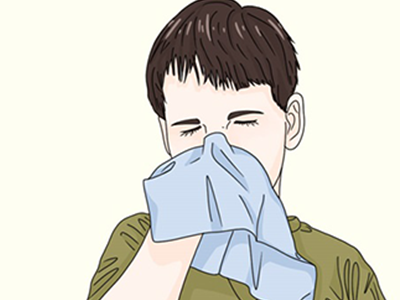
The most characteristic feature of nasopharyngitis is intermittent nasal congestion. Typically, nasal congestion improves during daytime hours, in warm weather, or after physical activity. Conversely, symptoms tend to worsen when sitting still at night or during colds. Furthermore, nasal congestion often alternates between nostrils. For instance, when lying on one side, the dependent nostril may become obstructed, while the upper nostril remains patent. If you frequently experience rhinorrhea—particularly mucoid or mucopurulent discharge—you should consider nasopharyngitis as a possible diagnosis. Purulent secretions commonly appear following seasonal infections.

Nasopharyngitis increases the risk of developing nasopharyngeal carcinoma (NPC). One major contributing factor to NPC development is chronic, inadequately treated nasopharyngitis. As a serious upper respiratory disease, nasopharyngitis warrants prompt medical attention and treatment. However, if patients neglect their condition and allow it to progress untreated, the disease may deteriorate over time—potentially culminating in nasopharyngeal carcinoma. We hope this information proves helpful to you.


