


Where to Apply Moxibustion for Spleen-Kidney Yang Deficiency

Yin deficiency and yang deficiency are common syndromes in Traditional Chinese Medicine (TCM), yet most people have limited understanding of them—and even less awareness of their distinctions. Although yin and yang deficiencies often do not produce overt or pronounced discomfort, they can severely compromise physical health, progressively weakening one’s constitution. So, where should moxibustion be applied for spleen-kidney yang deficiency?
Where to Apply Moxibustion for Spleen-Kidney Yang Deficiency
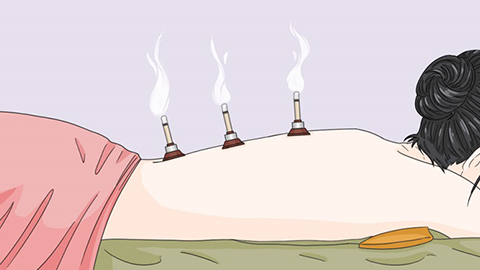
For spleen-kidney yang deficiency, common acupoints suitable for moxibustion include the Shenque (CV8), Qihai (CV6), and Guanyuan (CV4) points. The Shenque point lies at the center of the umbilicus and functions to reinforce the root, consolidate the primordial qi, and restore yang energy. The Qihai point is located 1.5 cun below the umbilicus and is commonly used to treat conditions such as general debility, fatigue, and constitutional weakness. The Guanyuan point lies 3 cun below the umbilicus and helps tonify the lower jiao; it is frequently employed for disorders of the urinary and reproductive systems. Moxibustion on these points can help prevent and alleviate symptoms associated with kidney-yang deficiency—such as nocturia, abdominal pain, diarrhea, and edema—thereby enhancing vitality and promoting a healthy, rosy complexion. Patients should avoid consuming raw, cold foods.
Spleen-kidney yang deficiency encompasses both spleen-yang deficiency and kidney-yang deficiency. Spleen-yang deficiency typically manifests as limb weakness, aversion to cold, sallow or dull complexion, and loose stools. Kidney-yang deficiency is characterized in men by impotence and premature ejaculation, and in women by infertility. When both spleen and kidney yang are deficient, patients often experience abnormal urination—and even impaired water metabolism—leading to limb edema.
We recommend that patients maintain a light, balanced diet and engage in moderate physical activity to enhance overall immunity. We hope this information proves helpful.


