


How is endometrial thickening treated after menopause?

I am 46 years old and have already entered menopause. Recently, I experienced abdominal pain and underwent a pelvic ultrasound at the hospital. The doctor informed me that my endometrium was thickened. How is endometrial thickening managed after menopause?
How Is Endometrial Thickening Treated After Menopause?
After menopause, ovarian function declines and estrogen levels drop, leading to thinning of the endometrium. Normally, endometrial thickness should range between 0.4–0.5 cm. When the endometrium appears thicker than usual, it is initially considered endometrial hyperplasia—a physiological change—so excessive concern is generally unwarranted. However, if endometrial thickness exceeds the normal range and is accompanied by abnormal vaginal bleeding, malignancy must be strongly suspected. In such cases, hysteroscopic surgery may be recommended based on diagnostic findings.
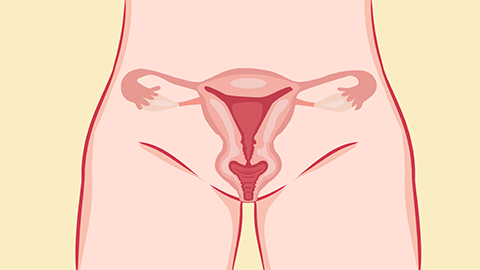
Typically, the uterine wall does not thicken after menopause; however, some women do experience endometrial thickening, often due to unhealthy lifestyle habits that predispose them to uterine inflammation, endometriosis, or endometrial hyperplasia. Maintaining relaxation, practicing good hygiene, and avoiding spicy or irritating foods can often allow spontaneous normalization over time.

Women who lead sedentary lifestyles often experience reduced immunity, which hinders effective management of endometrial thickness. Regular physical activity can help regulate endometrial thickness. Consistent exercise promotes uterine health, improves circulation, and helps restore balance in the body’s qi and blood—thereby supporting optimal endometrial thickness regulation. We hope this information is helpful to you!


