


How to rinse the nose with saline solution for rhinitis

Many individuals in daily life suffer from rhinitis and consider using saline solution for nasal irrigation—but are uncertain about the proper technique and worry about suboptimal results. So, how should saline solution be used to irrigate the nose for rhinitis?
How to Perform Nasal Irrigation with Saline Solution for Rhinitis
Saline solution can indeed be used for nasal irrigation in rhinitis management. Because its composition closely resembles that of human body fluids—particularly in osmolarity and pH—it does not disrupt the nasal mucosal microenvironment. The primary goals of nasal irrigation are to remove nasal secretions and to dilute allergens responsible for allergic rhinitis. Importantly, saline irrigation carries no risk of dependency. During rhinitis flare-ups, regular nasal irrigation helps maintain nasal patency and may prevent complications associated with recurrent rhinitis—including pharyngitis, tonsillitis, and even adenoid hypertrophy. Saline nasal irrigation is a commonly recommended non-pharmacological intervention for rhinitis. In addition, oxymetazoline hydrochloride may be used to alleviate rhinitis-related discomfort by reducing turbinate swelling. Oral medications such as Rhinitis-Relieving Granules or Rhinitis-Calming Granules may also be prescribed to improve nasal symptoms.
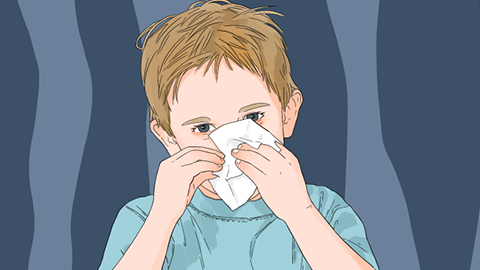
Rhinitis has numerous potential causes, and identifying the specific type is essential. Common forms include chronic simple rhinitis, hypertrophic rhinitis, drug-induced rhinitis, and allergic rhinitis. Chronic simple rhinitis often develops secondary to acute upper respiratory tract infections—commonly known as the “common cold”—which are typically caused by rhinoviruses or adenoviruses. These infections trigger mucosal congestion and edema of the nasal turbinates, resulting in nasal obstruction and yellowish nasal discharge.

Individuals with rhinitis should avoid exposure to common allergens such as pollen and dust mites. Additionally, dressing appropriately according to weather changes can help reduce rhinitis exacerbations. We hope this information proves helpful!


