Femtosecond Laser Treatment for Astigmatism
Aug 04, 2022
Source: Cainiu Health

Dr. Chen You
Introduction
Femtosecond laser surgery is one type of surgical procedure for astigmatism correction, which also includes semi-femtosecond and excimer laser surgery. Not all patients with astigmatism are suitable candidates for full femtosecond laser surgery; however, those with astigmatism up to 500 degrees are generally eligible for this procedure. For patients with higher degrees of astigmatism, intraocular lens implantation may be considered to achieve better therapeutic outcomes.
With the emergence of various electronic devices, eye disorders have become one of the most significant health concerns affecting contemporary populations. Among these, astigmatism is relatively common. So, can femtosecond laser surgery treat astigmatism?
Femtosecond Laser Treatment for Astigmatism
Femtosecond laser surgery is one type of surgical intervention for astigmatism, alongside procedures such as “semi-femtosecond” (i.e., femtosecond-assisted LASIK) and excimer laser surgery. Not all patients with astigmatism are suitable candidates for full femtosecond laser surgery. Generally, patients with astigmatism up to 500 degrees may be considered eligible for full femtosecond laser surgery. However, for those with higher degrees of astigmatism, corneal correction via laser surgery may be challenging; in such cases, implantation of a toric intraocular lens (IOL) may offer superior visual outcomes. Patients with astigmatism should seek timely treatment and undergo relevant ophthalmic examinations at a hospital. Based on a comprehensive evaluation by an ophthalmologist, an appropriate surgical approach can then be selected.
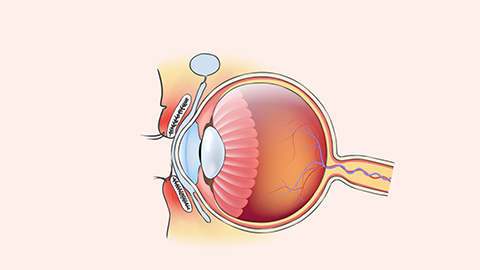
In daily life, individuals with astigmatism should first maintain proper eye posture—avoiding prolonged screen time on computers or other digital devices—and practice good ocular hygiene to prevent secondary eye diseases that could worsen their condition. Additionally, they should pay special attention to balancing work and rest, as well as optimizing their working environment. If astigmatism significantly impairs vision, corrective eyeglasses should be prescribed promptly to effectively restore visual acuity.

Patients are advised to maintain regular ocular hygiene, avoid excessive eye strain, and consult an ophthalmologist promptly if any discomfort or visual changes occur. We hope this information has been helpful.