


What disease causes generalized body aches and weakness?

Generalized body aches and fatigue represent a suboptimal health state, characterized by widespread muscular soreness and a sensation of heaviness—particularly in the legs. Individuals often feel exhausted and achy despite having performed no strenuous activity. This fatigue is persistent and fails to resolve over time. So, what condition might cause generalized bodily weakness and soreness?
What Condition Causes Generalized Bodily Weakness and Soreness?
Generalized bodily weakness and soreness may result from viral infections, most commonly acute tonsillitis or upper respiratory tract infections. Viruses can invade skeletal muscles and joints throughout the body, leading to systemic muscle and joint pain and fatigue. In more severe cases, it may indicate serious underlying conditions such as cervical spine fracture or cervical spondylosis causing quadriplegia, or myasthenia gravis.
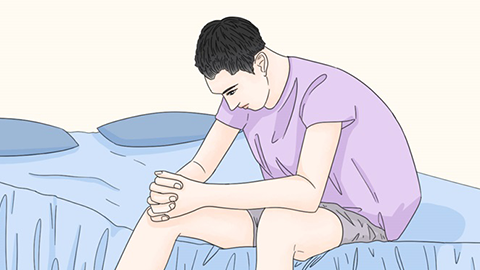
Alternatively, generalized soreness may occur following physical exertion—especially in individuals who are normally sedentary but engage in intense exercise. During vigorous activity, muscle glycogen breaks down rapidly, oxygen demand increases, and muscles temporarily enter a relative state of hypoxia. Under these conditions, muscle glycogen is metabolized via pyruvate into lactic acid, which accumulates within the muscle tissue. This buildup of lactic acid stimulates chemoreceptors in the muscle, transmitting signals to the cerebral cortex and producing the sensation of soreness.
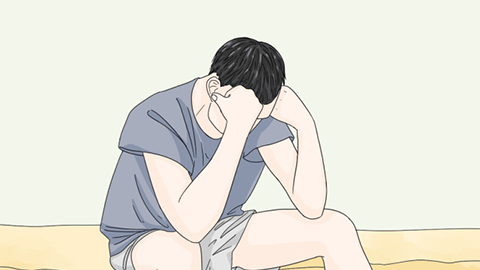
Symptoms can be alleviated through adequate rest, attention to sleep posture (avoiding prolonged maintenance of a single position), and massage to promote blood circulation. Incorporating regular, moderate physical exercise into daily life can also help strengthen immunity. We hope this information proves helpful. Wishing you robust health and a happy life!


