


What Should Patients with Gastric Ulcers Eat?

Patients with gastric ulcers should choose non-irritating, thin, and soft staple foods—such as noodles and steamed buns—and should also develop the habit of eating congee (rice porridge). So, what foods are beneficial for patients with gastric ulcers?
What Foods Are Beneficial for Patients with Gastric Ulcers?
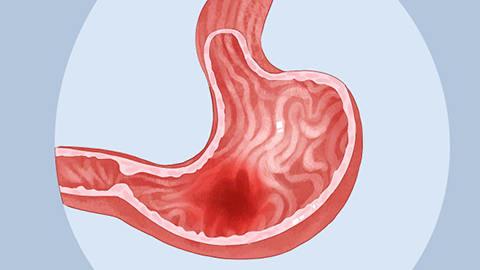
Patients with gastric ulcers may benefit from consuming vegetables such as Chinese cabbage, celery, spinach, loofah, and cucumber. Gastric ulcers are a type of peptic ulcer, referring specifically to ulcers that develop on the inner lining of the stomach. This inner surface is normally protected by a mucosal layer—the gastric mucosa. When this protective mucosal layer becomes damaged due to certain factors, the underlying tissue becomes vulnerable to ulceration, resulting in a gastric ulcer. Gastric ulcers commonly occur in the upper one-third of the stomach or around the cardia and carry risks of complications such as gastric perforation or gastrointestinal bleeding. Clinical manifestations of gastric ulcers include epigastric pain, loss of appetite, postprandial abdominal distension or discomfort, and unintended weight loss.

Patients with gastric ulcers should avoid indiscriminate use of nonsteroidal anti-inflammatory drugs (NSAIDs) for pain relief, as these medications can damage the gastric mucosa. Instead, patients must undergo scientifically sound and standardized treatment under the guidance of a physician to promote recovery. Dietary management should emphasize light, bland meals; spicy, greasy, hard-to-digest, and irritating foods must be avoided. Adopting preventive and therapeutic lifestyle measures—including eating smaller, more frequent meals—is essential. Skipping meals or fasting overnight may impair nocturnal gastric mucosal repair, potentially triggering or exacerbating the disease.
During illness, patients should prioritize adequate rest and actively adhere to regular medical follow-up and treatment as prescribed. We hope this information proves helpful to you.


