


Signs of Good Uterine Contraction After Childbirth

Many women experience uterine contractions after childbirth. What are the signs indicating effective postpartum uterine involution?
Signs of Effective Postpartum Uterine Involution
1. Palpable uterine fundus: After placental delivery, the uterus feels firm and rounded, with the uterine fundus located approximately one fingerbreadth below the umbilicus. On the first postpartum day, it rises to the level of the umbilicus, then descends by 1–2 cm daily; by the tenth postpartum day, the uterus has fully descended into the pelvic cavity.
2. Lochia assessment: Lochia rubra (bright red lochia) typically persists for 3–4 days; lochia serosa (pinkish-brown, serous lochia) lasts about 10 days; and lochia alba (whitish-yellow, creamy lochia) continues for approximately three weeks. If a woman’s lochia follows this expected pattern, it generally indicates effective uterine involution.
3. Ultrasound findings: A normal uterine morphology is observed, with intact continuity of the serosal layer, homogeneous myometrial echotexture, and no abnormal intrauterine echoes—suggesting good uterine contraction.
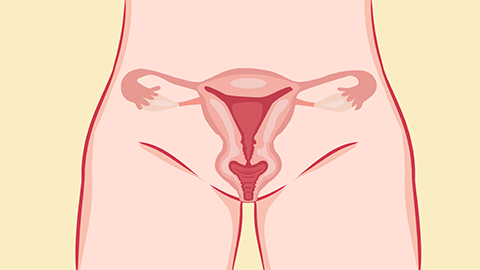
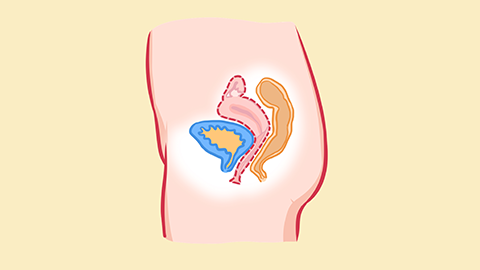
To protect uterine health postpartum, begin with regular medical check-ups—including an annual pelvic ultrasound to screen for endometrial cysts or tumors. Additionally, adequate rest is essential after childbirth. Insufficient rest and premature physical exertion increase intra-abdominal pressure, potentially causing uterine prolapse—displacement of the uterus downward from its normal anatomical position within the vagina. Maintain good personal hygiene: wash undergarments regularly, clean the external genitalia daily, prefer showers over bathtub bathing, and avoid introducing contaminants or foreign objects into the vagina to prevent bacterial proliferation and uterine infection. Also, avoid smoking.
In daily life, maintain a balanced diet and avoid unhealthy habits such as smoking and alcohol consumption. I hope this information is helpful to you. Wishing you optimal health and well-being!


