


How is retinal arteriosclerosis treated?

Retinal arteriosclerosis is a common fundus disorder encountered in ophthalmology, predominantly affecting middle-aged and elderly individuals—especially those with systemic metabolic conditions such as hypertension, diabetes mellitus, and hyperlipidemia. It can adversely impact patients’ quality of life and longevity; therefore, prevention and timely management are essential in daily life. So, how is retinal arteriosclerosis treated?
Treatment of Retinal Arteriosclerosis
In general, patients with mild retinal arteriosclerosis often remain asymptomatic and do not require specific treatment. Management focuses on controlling underlying systemic diseases and performing regular fundus examinations. In cases of severe retinal arteriosclerosis, pharmacological interventions—including vasodilators and agents that improve microcirculation (e.g., Compound Xueshuantong Capsules or Salvia Miltiorrhiza Dropping Pills)—may be employed to prevent complications such as retinal artery occlusion or ischemic optic neuropathy.
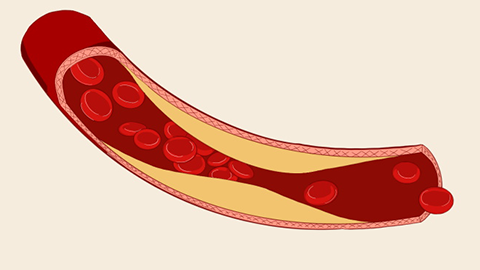
This condition is particularly prevalent among individuals aged 40–50 years and older—especially those who frequently consume rich, high-fat foods such as fatty meats. Patients adhering to high-fat diets face an elevated risk of arteriosclerosis. Following diagnosis of retinal arteriosclerosis, oral vasodilators may be recommended, alongside adoption of a light, low-fat diet and routine blood pressure monitoring. Untreated or progressive retinal arteriosclerosis may precipitate various retinal vascular disorders as well as systemic vascular diseases.

Avoid excessive smoking and alcohol consumption. Ensure adequate rest, engage in appropriate physical exercise, and limit prolonged screen time (e.g., smartphones and computers). Should any discomfort arise, prompt medical evaluation is advised. We hope this information proves helpful.


