


Self-Treatment of Periarthritis of the Shoulder

If you are frequently fatigued—especially when your shoulders are continually under stress—you may develop periarthritis of the shoulder (also known as “frozen shoulder”). However, this condition is relatively stubborn and difficult to resolve; therefore, patients are advised to seek medical attention promptly once symptoms appear. So, can frozen shoulder be managed through self-treatment?
Self-Treatment for Frozen Shoulder
If diagnosed with frozen shoulder, regular massage of specific acupoints can effectively alleviate symptoms and promote recovery. For instance, massaging the *Yemen* point—located between the ring and little fingers—helps stabilize internal organ function. Massaging the *Taiyuan* point on the wrist improves local blood circulation around the shoulder joint, while stimulating the *Hegu* point helps relieve shoulder pain.
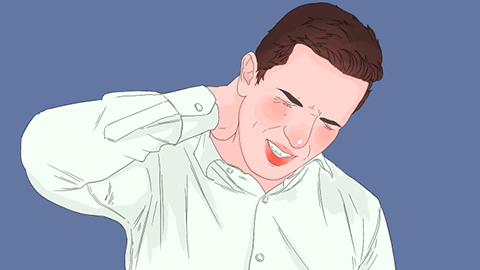
During the chronic phase, patients may perform gentle shoulder joint exercises at home to prevent adhesive capsulitis and associated restriction of motion. One such exercise is the “wall-climbing method”: stand facing a wall and gradually raise your affected arm upward along the wall using your fingers to “climb,” progressively increasing the height reached. This helps restore shoulder joint mobility. Another effective exercise is drawing circles—either vertically or horizontally—with the affected arm. Similar to the “cloud hands” movement in Tai Chi, these circular motions can be gradually increased in both number and range.

Patients are advised to avoid excessive physical or mental stress at work and to prevent overexertion that may lead to musculoskeletal strain. Proper protective measures should also be taken in daily life. We hope this information proves helpful to you.


