


Why Do People with Depression Engage in Self-Harm?

Depression poses serious harm to a patient’s physical and mental health. When depression occurs, prompt treatment and recognition of its symptoms are essential—only then can symptoms be identified early and intervention initiated without delay.
Why Do Individuals with Depression Engage in Self-Harm?
The vast majority of individuals with depression experience self-destructive tendencies, driven by profound feelings of guilt, excessive self-deprecation, disappointment in themselves, and a persistently negative outlook. These factors may culminate in thoughts of escaping their suffering through death; thus, self-harm may emerge as a maladaptive coping mechanism. With mounting pressures from modern life, academics, and work, the incidence of depression is rising annually—and onset among adolescents is occurring at increasingly younger ages. Consequently, cultivating and strengthening psychological resilience is critically important. Any concerning symptoms warrant timely medical evaluation and treatment. Additionally, individuals should practice regular self-regulation and proactively alleviate negative emotions.

During active episodes, depression may manifest as self-injury, self-harm, emotional detachment, and suicidal ideation or behavior. The classic triad of depressive symptoms includes: (1) depressed mood, (2) psychomotor retardation (slowed thinking), and (3) diminished motivation or reduced volition. “Depressed mood” refers to persistent sadness, hopelessness, and anxiety; individuals often perceive life as meaningless and frequently harbor negative thoughts and behaviors. In severe cases, symptoms may progress to emotional blunting—characterized by mutism, immobility, and refusal to eat. These symptoms typically improve with antidepressant treatment; for severe or treatment-resistant cases, physical interventions such as electroconvulsive therapy (ECT) may be employed to alleviate or ameliorate depressive symptoms. Following symptom improvement, maintenance treatment with antidepressant medication is recommended.
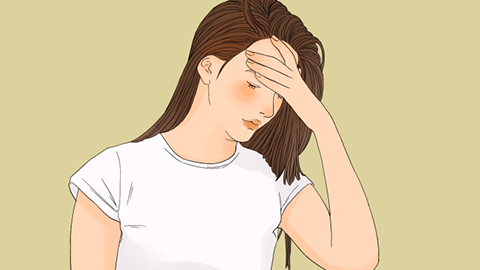
In daily management, combining psychotherapy with pharmacotherapy offers an effective approach to improving depression—helping individuals process and resolve negative emotions more positively, objectively, and rationally. We hope this information proves helpful to you.


