


Can breast calcifications disappear?

During comprehensive gynecological examinations, many women undergo breast color Doppler ultrasound. The results often reveal the presence of breast microcalcifications. Can these breast microcalcifications disappear?
Can breast microcalcifications disappear?
Breast microcalcifications typically do not disappear. Particularly in middle-aged women, such calcifications commonly appear after breastfeeding and are frequently associated with benign breast hyperplasia. Since breast hyperplasia itself does not resolve spontaneously, neither do these calcifications. In women, cyclical hormonal fluctuations—especially those related to menstruation—make breast hyperplasia very common. When menstrual cycles are regular, breast hyperplasia is usually mild.

However, if endocrine imbalance or menstrual irregularities occur, breast hyperplasia may become more severe, and the number of calcifications may increase progressively. Generally, scattered, small calcifications are benign and require no specific treatment. In contrast, coarse (large, dense) calcifications often necessitate surgical excision; especially when accompanied by abundant perilesional blood flow, they may indicate breast cancer.
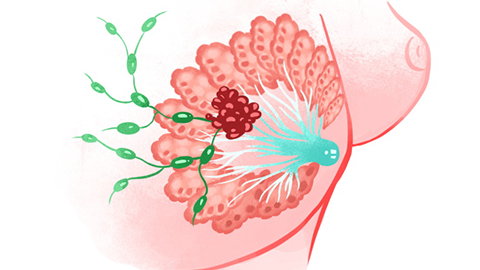
Early detection of breast microcalcifications warrants prompt referral to a hospital for thorough evaluation. Subsequent management should be tailored according to the specific classification of the calcifications. During treatment, dietary modifications are advised—particularly minimizing intake of foods containing exogenous hormones, such as soy milk, royal jelly, and flaxseed. We hope this information is helpful to you!


