


How is vascular neural tinnitus treated?

In real life, many people develop vascular (or neurovascular) tinnitus due to various factors—an unavoidable condition for some. This disorder causes significant psychological distress; in severe cases, patients may even be unable to work or carry out daily activities normally, underscoring the need for early intervention. So, how is vascular tinnitus treated?
How Is Vascular Tinnitus Treated?
Vascular tinnitus typically arises from vascular malformations or hemodynamic changes—commonly caused by conditions such as glomus jugulare tumors, sigmoid sinus abnormalities, or arteriovenous fistulas. Altered blood flow is often associated with systemic disorders including hypertension, diabetes mellitus, hyperlipidemia, atherosclerosis, and thyroid disease. Patients experience tinnitus whose pitch synchronizes with their pulse or heartbeat—often more pronounced at night. During daytime hours, ambient noise usually masks the symptom for most individuals.
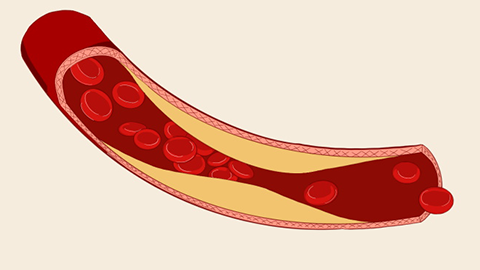
At night—especially just before sleep—this type of vascular tinnitus becomes markedly noticeable. At this stage, clinicians can often identify an underlying cause, ruling out vascular malformations or other specific vascular pathologies. Concurrently, patients require treatment for comorbid conditions such as hypertension, thyroid disorders, or anemia. Once the causative factor is identified, targeted therapy addressing the root cause is initiated. For cases where no definitive etiology is found, management options include sound masking therapy, acoustic stimulation therapy, or use of tinnitus maskers.

Patients should prioritize adequate rest, avoid physical exhaustion, and refrain from staying up late, as fatigue may exacerbate symptoms. We hope this information proves helpful to you.


