


Is it better to wear or not wear glasses for myopia?

Many people today enjoy using their smartphones—even staying up late to do so—and often view them under dim lighting. Such habits can trigger a range of health issues, including myopia (nearsightedness). So, should individuals with myopia wear corrective glasses—or not?
Should People with Myopia Wear Glasses?
If myopia is mild—e.g., less than 100 diopters, or even just a few dozen diopters—the patient’s uncorrected visual acuity may remain relatively good (e.g., ≥0.8), allowing normal performance in daily activities, work, and study. In such cases, wearing glasses may not be necessary. However, for those with mild myopia, it is advisable to visit an ophthalmology department for cycloplegic refraction (using cycloplegic agents) to determine whether the refractive error represents true myopia or pseudomyopia (temporary, accommodative myopia). If true myopia is confirmed, the decision to wear glasses should be based on both the degree of refractive error and the patient’s uncorrected visual acuity. For instance, if the myopia is ≤50 diopters and uncorrected visual acuity remains ≥0.8–1.0, it generally does not interfere with learning or daily function.

Myopia development is influenced by both genetic factors and environmental influences. Key environmental contributors include poor visual hygiene (e.g., prolonged near work without breaks), insufficient outdoor activity, and improper posture during reading or writing. To prevent myopia, maintain correct posture while studying or writing: keep the eyes at least 30 cm away from reading materials. After approximately 40 minutes of continuous near work, close your eyes for a brief rest, then spend 10–15 minutes outdoors. Aim for at least two hours of outdoor activity daily. Regular vision screenings are essential; comprehensive refractive examinations by an ophthalmologist are recommended every six months.
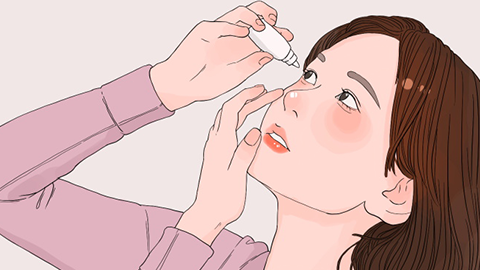
We recommend protecting your eyes daily—perform eye exercises regularly, wash your hands frequently, and avoid rubbing your eyes. We hope this information proves helpful.


