


How is bilateral carotid artery atherosclerosis treated?

Bilateral carotid artery atherosclerosis is becoming increasingly common, and its associated health risks are growing more severe. Many patients experience symptoms such as fatigue, headache, and dizziness, which significantly impair their daily functioning. So, how is bilateral carotid artery atherosclerosis treated?
How Is Bilateral Carotid Artery Atherosclerosis Treated?
Treatment for carotid artery atherosclerosis includes lifestyle modifications, pharmacotherapy, and surgical intervention. Lifestyle changes for affected patients involve reviewing and optimizing daily routines, engaging in regular physical exercise, strictly adhering to physicians’ recommendations for weight management, and maintaining a low-salt, low-fat diet.
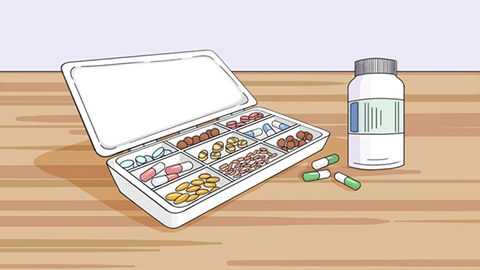
Pharmacological treatment begins with strict control of three key parameters: blood pressure, blood glucose, and serum lipid levels. Subsequently, antiplatelet therapy is initiated to reduce the incidence of ischemic cerebrovascular disease. Lipid-lowering therapy is also essential; statins are commonly prescribed to stabilize atherosclerotic plaques and effectively lower both the incidence of cardiovascular and cerebrovascular events and associated mortality.
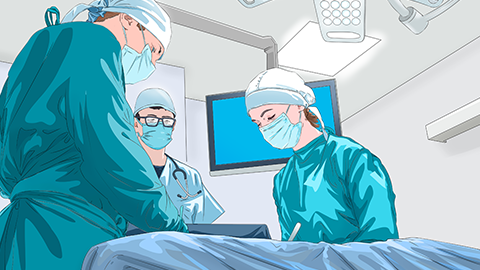
For patients who show inadequate response to medical therapy, surgical intervention becomes necessary—primarily aimed at preventing ischemic stroke. Clinically, the decision to proceed with surgery depends on the size, location, and stability of the carotid plaque. The two main surgical approaches used for carotid atherosclerosis are carotid endarterectomy (CEA) and carotid artery stenting (CAS).
Patients are advised to follow a light, bland diet, avoid spicy or irritating foods, quit smoking and alcohol consumption, maintain regular sleep-wake cycles, and refrain from staying up late. We hope this information proves helpful to you.


