


How Is Atherosclerosis Diagnosed?

Arteriosclerosis itself is a systemic disease that occurs more frequently in elderly individuals. It represents a clear manifestation of arterial aging, and progressive arteriosclerosis may lead to arterial stenosis. So, how can arteriosclerosis be alleviated?
How to Alleviate Arteriosclerosis
Early treatment and control of arteriosclerosis are essential to prevent further progression of cardiovascular and cerebrovascular diseases. It is recommended to engage in regular physical exercise, follow a low-fat diet, and consume abundant fruits and vegetables. Under a physician’s guidance, medications such as Compound Danshen Dropping Pills, aspirin, and Xuesaitong Dispersible Tablets may be prescribed for treatment. Most patients require long-term, comprehensive management to effectively control and alleviate the disease, thereby preventing further deterioration of cardiovascular and cerebrovascular conditions. Regular physical activity is strongly advised.
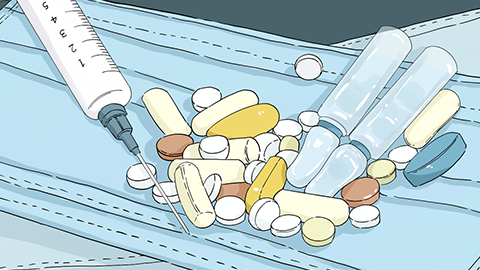
In patients with arteriosclerosis, blood vessels narrow, impairing blood flow. Initial pharmacological treatment—under medical supervision—may involve vasodilators to widen the arteries. If thrombosis causes vascular obstruction, thrombolytic and anticoagulant agents may be administered; in severe cases, surgical intervention may be necessary. Specifically, when arterial thrombosis leads to lumen narrowing or occlusion, thrombolytic drugs (e.g., urokinase) and anticoagulants (e.g., heparin) may be used. Additionally, interventional therapies—including recanalization of stenosed or occluded vessels—and surgical procedures such as revascularization or bypass grafting may be employed to restore arterial blood supply.
Patients are advised to maintain a light, bland diet, avoid spicy and irritating foods, abstain from smoking and alcohol, adhere to regular sleep-wake cycles, and avoid staying up late. We hope this information proves helpful to you.


