


What Causes Excessive Vaginal Discharge in Women?

Vaginal discharge reflects the health status of a woman’s reproductive tract. Under normal circumstances, vaginal discharge is minimal. However, an increase in volume or a change in color warrants attention. What causes excessive vaginal discharge in women?
What Causes Excessive Vaginal Discharge in Women?
Excessive vaginal discharge is often associated with increased hormonal secretion. Discharge typically increases before menstruation and during ovulation due to elevated hormone levels—particularly estrogen—during these phases. This is a completely normal physiological phenomenon and does not require specific treatment. Prolonged mental stress may lead to autonomic nervous system dysfunction, disrupting endocrine regulation and resulting in abnormal physiological responses—including excessive vaginal discharge. Therefore, women should actively manage and regulate their emotional well-being.
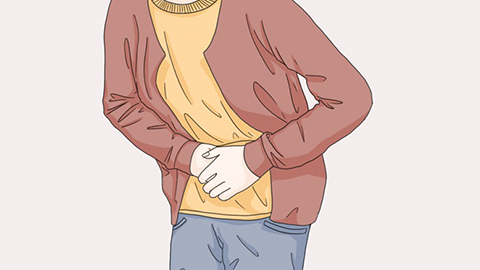
Clinically, the majority of cases of increased vaginal discharge are caused by gynecological inflammatory infections, most commonly vaginitis, cervicitis, and pelvic inflammatory disease (PID). These conditions often present with symptoms such as increased vaginal discharge, menstrual irregularities, and lower abdominal distension or discomfort. Prompt evaluation and treatment at a reputable medical facility are essential.
Women bear responsibility for their own health. Upon noticing any abnormal changes in vaginal discharge, timely consultation at a qualified hospital is crucial to prevent progression to more serious conditions. We hope this article has been helpful to you!


