


What Should You Do If Your 4-Year-Old Child Has Tonsillitis?

Shortly after birth, a baby’s immune resistance remains relatively weak. This is because the infant’s immune system has not yet fully matured, making them more susceptible to tonsillitis. So, what should be done if a four-year-old child develops tonsillitis?
Management of Tonsillitis in Four-Year-Old Children
In the early stage of acute tonsillitis, most cases are caused by viral infections; under a physician’s guidance, oral antiviral medications may be prescribed. If necessary, a complete blood count (CBC) should be performed. A significant elevation in white blood cell count or neutrophil percentage typically indicates a bacterial infection, warranting the addition of an appropriate, culture-sensitive antibiotic. Traditional Chinese patent medicines with heat-clearing, detoxifying, swelling-reducing, pain-relieving, and necrotic-tissue-removing properties may also be administered via spray—however, specific drug selection must be made in consultation with a qualified healthcare provider. If recurrent tonsillitis occurs, accompanied by high fever, chills, or convulsions, prompt medical evaluation at a hospital is essential; intravenous administration of a sensitive antibiotic may be required.
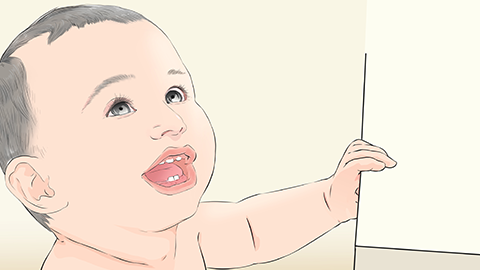
When tonsillitis is accompanied by fever, it is advisable to lower the indoor temperature. Excessively high ambient temperatures can cause discomfort and hinder recovery. After adjusting the room temperature appropriately, remove any excess clothing from the child and proceed with physical cooling measures. Tonsillitis is a very common condition, especially among children. Because initial symptoms are often subtle and young children may lack the ability to articulate their discomfort clearly, the disease is frequently detected only when it has progressed significantly. Parents must provide attentive care and ensure timely, effective diagnosis and treatment to facilitate rapid recovery.
Parents are advised to take preventive measures against common childhood illnesses such as colds and fevers. We hope this information proves helpful.


