


What should I do if I have polycystic ovary syndrome (PCOS) and have missed my period?

Some women begin trying to conceive after marriage, yet remain unable to become pregnant despite over two years of active attempts. This situation is often associated with polycystic ovary syndrome (PCOS). So, what should be done if a woman with PCOS experiences amenorrhea (absence of menstruation)?
Management of Amenorrhea in Polycystic Ovary Syndrome
Amenorrhea in PCOS is commonly caused by anovulation—failure to ovulate. Without ovulation, progesterone is not produced, leading to menstrual irregularities. Therefore, the first step in managing amenorrhea in PCOS is to rule out pregnancy. If pregnancy is excluded, supplemental progesterone may be administered during the luteal phase to regulate menstruation and protect the endometrium. Commonly used progestogen medications include progesterone soft capsules, progesterone tablets, and progesterone injections.
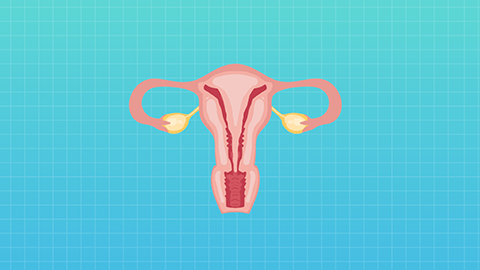
For women without fertility requirements—or those approaching or already in menopause—surgical intervention at a reputable medical facility may be considered in addition to pharmacotherapy. A commonly performed procedure is laparoscopic ovarian drilling, which is particularly suitable for patients with diminished ovarian reserve or those contraindicated for laparoscopic surgery.
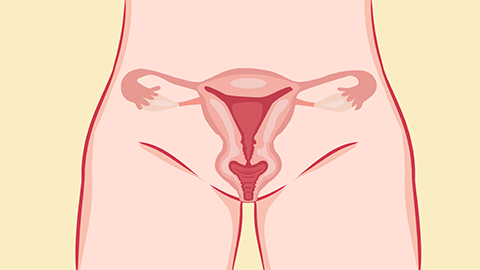
For women desiring pregnancy, ovulation-inducing medications such as clomiphene citrate or letrozole may be prescribed under physician supervision to restore regular menses. When necessary, assisted reproductive technologies—including in vitro fertilization (IVF) with embryo transfer—can be pursued at accredited fertility centers. We hope this information proves helpful!


