


How to treat knee synovitis with fluid accumulation

Knee synovitis is a type of sterile inflammation. Various inflammatory conditions are commonly triggered by trauma—particularly knee sprains and intra-articular injuries. If the condition is not caused by trauma, prompt treatment is essential. Then, what are the symptoms of ankle synovitis?
Symptoms of Ankle Synovitis
Effusion associated with knee synovitis is primarily managed with symptomatic, conservative treatment. Knee synovitis leads to fluid accumulation within the joint cavity, resulting in joint swelling, pain, and restricted mobility. First, under a physician’s guidance, patients may take certain oral medications—such as synovitis granules, oleander extract tablets, or Biqi capsules—which promote blood circulation, resolve blood stasis, reduce swelling, and relieve pain. Second, local physical therapy, acupuncture, or joint mobilization techniques applied to the knee can improve circulation and reduce inflammation.
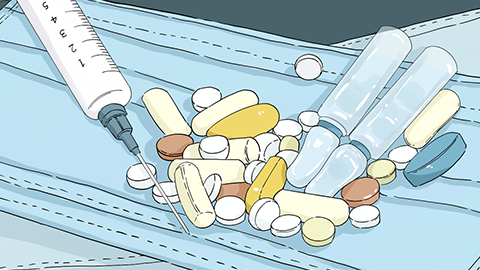
Rest, compression bandaging, electro-heat therapy, hot compresses, and even iontophoresis may be employed to facilitate fluid absorption. Simultaneously, activity should be minimized—especially weight-bearing on the affected knee. Nonsteroidal anti-inflammatory drugs (NSAIDs) may also be taken orally to alleviate symptoms and exert anti-inflammatory effects. If symptoms persist despite these measures, a comprehensive medical evaluation at a hospital is warranted—for instance, MRI imaging to identify the underlying cause of effusion, followed by systematic treatment after aspiration of the accumulated fluid.

Patients are advised to maintain a light, bland diet; avoid spicy, irritating foods; abstain from smoking and alcohol; adhere to regular sleep schedules; and avoid staying up late. We hope this information proves helpful to you.


