


What should I do about cough caused by pharyngitis?

Pharyngitis is an inflammation of the pharyngeal mucosa and can be classified as either acute or chronic. Untreated or inadequately managed acute pharyngitis may progress and evolve into chronic pharyngitis. Patients with pharyngitis commonly experience symptoms such as throat itching, pain, a foreign-body sensation, and coughing—symptoms that significantly impair quality of life. So, how should cough caused by pharyngitis be managed?
How to Manage Cough Caused by Pharyngitis
Cough associated with pharyngitis can be alleviated through active pharmacological treatment, vitamin supplementation, and other supportive measures. Medication plays a crucial role in managing pharyngitis-related cough. Clinically, antibiotics or traditional Chinese patent medicines are commonly prescribed. Antibiotics frequently used include azithromycin, roxithromycin, and amoxicillin. Traditional Chinese patent medicines often selected include Luo Han Guo (Monk Fruit) tablets, Hong Da Hai (Sterculia lychnophora) tablets, and Cao Shan Hu (Sarcandra glabra) lozenges—all of which help relieve symptoms and control disease progression. Additionally, appropriate vitamin supplementation may be beneficial in daily management. Vitamins C and E, along with other multivitamins, effectively alleviate inflammation and promote vasodilation of the mucosa, thereby improving cough associated with pharyngitis.
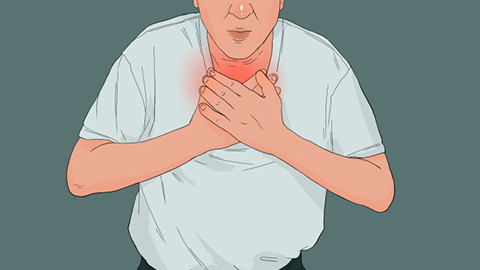
The primary cause of cough in pharyngitis patients is inflammatory irritation. In severe cases, lymphoid follicular hyperplasia and increased pharyngeal secretions may further exacerbate coughing. Moreover, other contributing factors include exposure to irritants such as tobacco smoke and alcohol. Gastroesophageal reflux—where stomach acid irritates the pharynx—may also trigger or worsen cough. Therefore, patients are strongly advised to seek evaluation at a specialized medical facility for accurate diagnosis and targeted treatment.
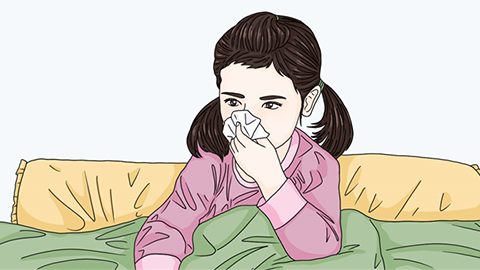
In daily life, patients should prioritize self-care: maintain a balanced schedule of work and rest, drink plenty of warm water, and avoid overeating. We hope this information proves helpful. Wishing you good health and a joyful life!


