


When does nausea occur during pregnancy?

A woman’s body undergoes significant changes after conception. Therefore, women who are preparing for pregnancy often experience symptoms such as nausea, loss of appetite, fatigue, and drowsiness. Nausea is a highly characteristic early pregnancy symptom, and many women rely on it to suspect pregnancy—yet medical evaluation remains essential for confirmation. So, can nausea occur as early as one month into pregnancy?
When Does Nausea Typically Begin During Pregnancy?
Some women begin experiencing nausea and vomiting as early as ten days after conception, while others may not develop these symptoms until after two months. Most pregnant women start noticing nausea and vomiting following their missed menstrual period. The most intense symptoms typically occur beyond the second month of gestation, coinciding with peak levels of human chorionic gonadotropin (hCG) in the bloodstream. Currently, hCG levels are believed to correlate significantly with the severity of nausea and vomiting during pregnancy.
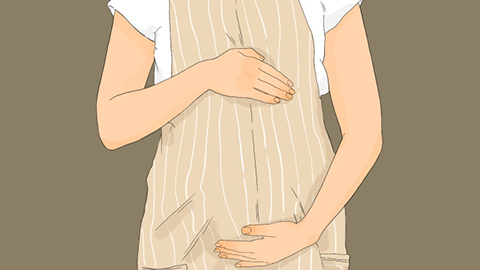
As hCG levels gradually decline after 8–10 weeks of gestation, these symptoms typically subside progressively. For most women, symptoms noticeably lessen by the end of the first trimester (around three months) and may disappear entirely. During the second and third trimesters, appetite generally returns to normal. Nausea and vomiting in early pregnancy are common physiological responses and do not compromise fetal nutrition, since fetal growth is relatively slow and nutritional demands are low during early gestation. By late pregnancy—when fetal nutritional requirements increase—the nausea and vomiting symptoms have usually diminished significantly.

Generally, consuming fresh fruits and vegetables may help stimulate appetite, while avoiding greasy, cold, or spicy foods is advisable. Engaging in regular, moderate physical activity can also promote gastrointestinal motility and aid digestion. We hope this information has been helpful to you.


