


What are the standard values for hypotension?
Aug 06, 2022
Source: Cainiu Health

Dr. Li Man
Introduction
Physiological hypotension refers to a condition in which a healthy individual’s blood pressure readings meet the diagnostic criteria for hypotension but no symptoms are present. Pathological hypotension, in contrast, involves not only reduced blood pressure but also associated symptoms and an underlying disease etiology. Primary (essential) hypotension is predominantly observed in elderly individuals and women with a slender physique, whereas secondary hypotension results from diseases affecting a specific organ or system.
Many people regularly monitor their blood pressure. Values exceeding the standard range may indicate an underlying health abnormality—but what constitutes the diagnostic threshold for hypotension?
What Is the Diagnostic Threshold for Hypotension?
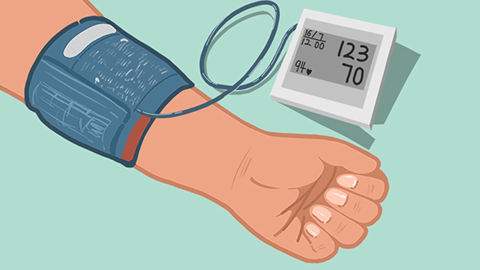
There is currently no universally accepted diagnostic standard for hypotension. Generally, in adults, systolic/diastolic blood pressure measured in the upper limb arteries below 90/60 mmHg is considered hypotensive. Hypotension can be classified etiologically into physiological and pathological types, and clinically into acute and chronic forms. For patients with asymptomatic or mild hypotension, pharmacological treatment is typically unnecessary. However, during acute episodes, individuals may experience dizziness, visual dimming (e.g., “seeing stars”), fatigue, cold and clammy extremities, palpitations, and oliguria. In severe cases, syncope or shock may occur, necessitating prompt medical intervention and drug therapy.

Causes of hypotension are diverse. Physiological hypotension refers to blood pressure readings meeting the hypotensive criteria in otherwise healthy individuals who exhibit no associated symptoms. Pathological hypotension, by contrast, involves not only reduced blood pressure but also clinically apparent symptoms and identifiable underlying disease processes. Primary (or essential) hypotension is commonly observed in elderly individuals and women with slender body habitus. Secondary hypotension arises from disorders affecting specific organs or systems—such as cardiovascular, endocrine, or neurological diseases—that lead to systemic blood pressure reduction.
Management of hypotension often combines oral medications with dietary interventions to help stabilize and elevate blood pressure. Commonly prescribed oral agents include Shengmai Yin (a traditional Chinese herbal formula), Jinkui Shenqi Wan, Yiqi Yangxue Koufuye (Qi- and Blood-Tonifying Oral Solution), and Yiqi Fumai Granules—all of which may help raise blood pressure. We hope this information proves helpful to you!


