


Is it normal to feel nauseous and vomit in the third trimester of pregnancy?

Nausea and vomiting are common symptoms, primarily caused by gastrointestinal discomfort or digestive disturbances. In modern society, the pace of life is relatively fast, and work-related stress is naturally high. Stress can overwhelm many individuals, constituting a psychological cause of nausea and vomiting. So, is it normal to experience nausea and vomiting during the third trimester of pregnancy?
Is nausea and vomiting during the third trimester normal?
Nausea and vomiting during the third trimester are not normal and warrant prompt medical evaluation to avoid delays in diagnosing potential underlying complications. Possible causes include diaphragmatic elevation, gastrointestinal disorders, or hepatic/biliary diseases. Excessive amniotic fluid (polyhydramnios) or multiple gestation (e.g., twins) may elevate the diaphragm, leading to gastrointestinal discomfort and indigestion. Nausea and vomiting may also indicate gastrointestinal pathology—such as acute gastroenteritis—resulting in impaired digestion. Additionally, acute fatty liver of pregnancy (AFLP), though rare, commonly presents initially with nausea and vomiting. AFLP must be ruled out urgently, as it carries a low incidence but high maternal and fetal mortality risk.
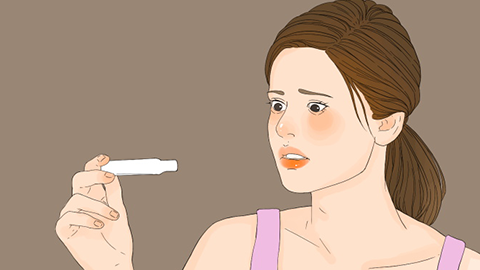
Pregnant women should ensure adequate sleep and, whenever possible, avoid medication use. During early pregnancy, when the fetus is particularly vulnerable, women must prioritize sufficient rest and high-quality sleep while maintaining a stable circadian rhythm to support optimal fetal development. If upper respiratory tract infection symptoms arise during pregnancy, self-medication is strongly discouraged. Unsupervised drug use may impair fetal development and even cause congenital malformations. Therefore, any necessary pharmacotherapy must be undertaken strictly under physician guidance.
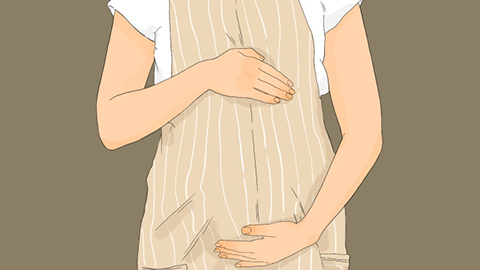
Throughout pregnancy, women are advised to avoid excessive physical exertion, maintain balanced nutrition, and refrain from picky eating habits. We hope this information proves helpful.


