


What causes frequent nausea and vomiting recently?

In daily life, many patients frequently experience persistent nausea and a sensation of wanting to vomit. This not only affects their emotional well-being but also significantly reduces their quality of life. They often worry whether these unpleasant symptoms may signal a serious underlying illness. So, what exactly causes nausea and the urge to vomit?
What Causes Persistent Nausea and the Urge to Vomit Recently?
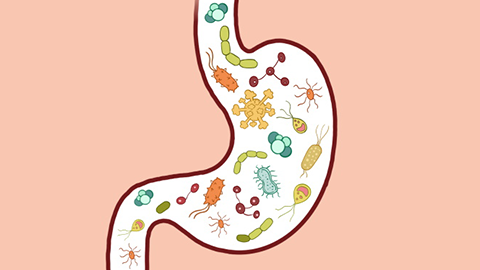
Persistent recent-onset nausea and the urge to vomit may stem from chronic gastritis, gastric ulcers, duodenal ulcers, or functional dyspepsia. Gastric disorders are commonly triggered by overeating, irregular meal schedules, or excessive consumption of spicy or irritating foods. In patients with chronic gastritis, inflammation of the gastric mucosa impairs digestive function, leading to indigestion, nausea, and vomiting. In those with gastric or duodenal ulcers, damage to the gastric mucosa compromises its protective barrier function. Excessive gastric acid secretion—particularly after meals—further irritates the damaged mucosa, establishing a vicious cycle that results in acid reflux, nausea, vomiting, and abdominal distension.

Persistent nausea and the urge to vomit are often attributable to gastrointestinal diseases—primarily gastric disorders. The most common conditions include gastritis, gastric ulcers, gastric polyps, and gastric cancer. We recommend undergoing a barium meal X-ray examination or gastroscopy to identify the precise cause and initiate appropriate, targeted treatment. Such symptoms may also arise from hepatobiliary diseases—including cholecystitis, gallstones, or abnormal liver function—which can likewise provoke nausea and discomfort. Liver function tests, along with abdominal color Doppler ultrasound or CT scanning, are advised. Other systemic conditions—such as diabetic ketoacidosis or electrolyte imbalances—can also manifest with nausea, vomiting, and general malaise. Accordingly, blood glucose and electrolyte testing should be performed.
Additionally, certain infectious and systemic diseases—including bacterial dysentery, viral hepatitis, cirrhosis, hypertension, and diabetes—may also cause recurrent nausea and vomiting. Therefore, patients are strongly advised to seek prompt medical evaluation at a hospital. If an underlying disease is identified, timely, condition-specific treatment should be initiated. We hope this information proves helpful.


