


What should I do if my facial skin develops an allergic reaction with bumps?

When experiencing a skin allergy, bumps or rashes may appear on the face, interfering with normal daily activities and requiring prompt management. So, what should you do if you develop allergic bumps on your face?
What to Do for Allergic Bumps on the Face
Allergic bumps on the face may indicate atopic dermatitis. Common triggers include contact allergens (e.g., cosmetics, skincare products), airborne allergens (e.g., dust mites, dust, pollen), and environmental factors such as excessive sun exposure or ultraviolet (UV) radiation—all of which can provoke an allergic reaction. In severe cases, consultation with a dermatologist is essential. Blood tests for allergen identification may be performed to pinpoint specific triggers; once identified, strict avoidance of those allergens is critical.
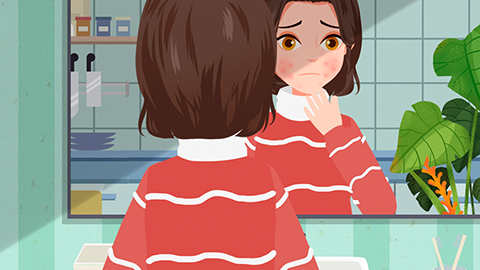
Prior to blood testing, avoid taking antihistamines or other anti-allergy medications for at least one week, as they may interfere with test accuracy and yield false-negative results. Once the allergen is identified, complete avoidance of both the allergen and related substances is necessary to prevent recurrence. A comprehensive treatment regimen includes topical application of 3% boric acid solution and 0.03% tacrolimus ointment, oral administration of cetirizine, compound glycyrrhizin, and chlorhexidine, and intramuscular injection of maleate pheniramine. Combined topical therapy constitutes a complete therapeutic approach. With continued treatment, gradual recovery can be expected.
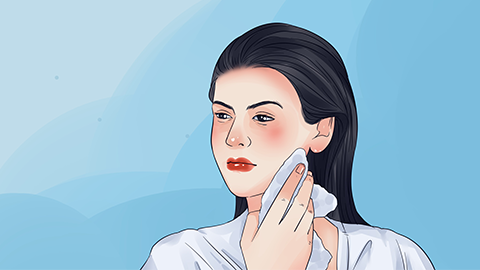
Skin barrier repair is vital in managing allergic skin conditions, as the barrier function is often compromised. First, discontinue use of all cosmetic and skincare products—including moisturizers and cleansers. When cleansing the face, avoid vigorous rubbing or scrubbing; plain water alone is sufficient. Excessive mechanical friction damages the stratum corneum, further impairing the skin’s natural barrier and worsening sensitivity. Phototherapy using red-blue light or red-yellow light combinations may support skin barrier restoration. We hope this information proves helpful to you!


