


What Is the Most Effective Treatment for Onychomycosis?

It is commonly said that onychomycosis (“gray nail”) is highly contagious—one infected nail can easily spread the infection to another. Without timely treatment, the condition may worsen significantly. So, what is the most effective way to treat onychomycosis?
What Is the Most Effective Treatment for Onychomycosis?
Currently, numerous medications are available for treating onychomycosis, including topical agents, nail lacquers (occlusive treatments), and oral antifungal drugs. Topical treatments often have poor nail penetration, making oral antifungal therapy the most effective approach. Commonly prescribed oral agents include terbinafine hydrochloride tablets and itraconazole capsules. When selecting a drug, clinicians generally prefer those with broader antifungal spectra—such as itraconazole. For itraconazole, pulse-dose therapy is typically recommended: treatment is administered for one week per month over a course of three to four months, with liver function tests performed monthly. Only through such a carefully monitored regimen can optimal therapeutic outcomes be achieved.
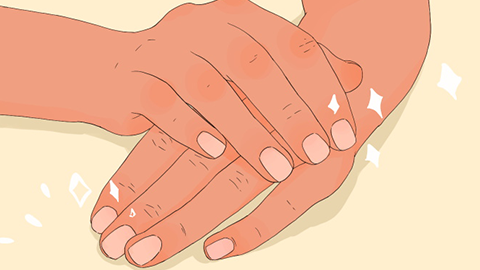
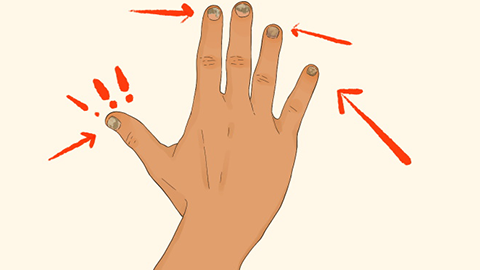
Onychomycosis is caused by fungal infection. Predisposing factors include nail trauma, tinea pedis (athlete’s foot), lymphatic or local circulatory impairment, and immunosuppression. Clinical manifestations vary widely: infected nails may become thickened, opaque, separated from the nail bed, atrophic, discolored, brittle, or irregularly shaped; they may also exhibit onycholysis, subungual hyperkeratosis, or associated paronychia. Symptoms are often mild but may include slight pain or occasional bleeding.
Patients are advised to undergo treatment with itraconazole or other systemic antifungals such as fluconazole. If pharmacologic therapy proves ineffective, surgical nail avulsion or laser therapy may be considered. Because onychomycosis tends to recur, even after clinical resolution, patients should continue maintenance therapy for an additional 6–8 weeks. Lifestyle modifications are crucial: avoid wearing overly tight footwear; ensure adequate ventilation and comfort inside shoes; regularly clean and disinfect affected areas; and never share personal hygiene items (e.g., towels, nail clippers) with others.We hope this information is helpful to you!


