


How is myocarditis diagnosed?

People encounter various diseases throughout their lives. Some illnesses have minimal impact on the body and are easily treatable, whereas others are more challenging to manage and can severely affect physical health. Myocarditis is a condition affecting many patients, and its impact on the body must not be underestimated. So, how is myocarditis diagnosed?
How Is Myocarditis Diagnosed?
Myocarditis can be diagnosed through the following approaches. First, clinical symptoms—such as palpitations, chest tightness, and shortness of breath occurring after an infection—are assessed. Second, cardiac enzyme panel testing: since myocarditis results from viral or bacterial infection causing myocardial cell injury, intracellular enzymes are released into the bloodstream upon myocardial damage, leading to elevated cardiac enzyme levels. Testing for cardiac enzymes—particularly cardiac troponin—is critical; a marked elevation strongly supports the diagnosis of myocarditis. Third, electrocardiography (ECG) or ambulatory (Holter) ECG monitoring, which may reveal premature beats or other arrhythmias. In general, myocarditis is diagnosed based on these combined findings.
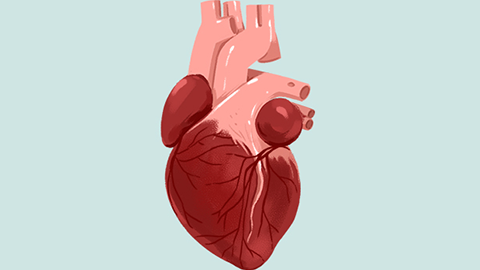
Diagnosis of myocarditis often relies on a characteristic history of preceding infection—for example, viral infection symptoms occurring 1–3 weeks before onset, such as fever, fatigue, myalgia, and occasionally gastrointestinal manifestations including nausea, vomiting, or diarrhea. Subsequently, patients may develop palpitations, chest pain, dyspnea, edema, or syncope; in the most severe cases, sudden death may occur.

Patients are advised to undergo comprehensive diagnostic evaluations to determine the specific type and underlying cause of myocarditis and to receive timely, targeted interventions and treatment under the guidance of qualified physicians. Additionally, maintaining healthy lifestyle habits—including regular physical activity outdoors—promotes overall physical and mental well-being. We hope this information proves helpful.


