


How many generations can hereditary freckles be passed down?

Mothers with freckles often worry about passing them on to their children—and even to several subsequent generations—causing significant psychological stress. So, how many generations can freckles be inherited across?
How Many Generations Can Freckles Be Inherited Across?
Freckles are hereditary, and the number of generations they may affect depends on various factors—including specific genetic variations—making it impossible to provide a universal answer. Actual inheritance patterns vary significantly among individuals. Freckles typically appear as light brown pigmented spots on the skin due to both sun exposure and genetic predisposition, and they generally pose no health risks in daily life. For cosmetic concerns, consultation with a dermatologist—including physical skin examination—can confirm the diagnosis and guide appropriate treatment. Topical antioxidant agents such as glutathione, vitamin C, and para-aminobenzoic acid (PABA) may help lighten freckles. Alternatively, physical treatments—including phenol-based chemical peels and laser therapy—may also be considered.
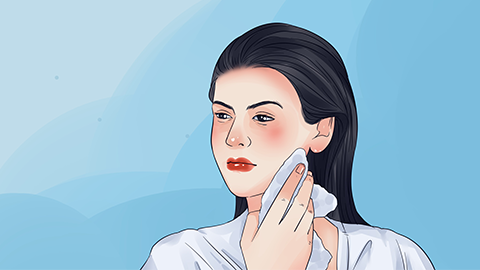
After laser freckle removal, several post-procedural precautions must be observed. Crusting usually begins within 3–5 days, and scabs naturally slough off after approximately 10 days. Do not pick or scratch at the scabs, as this may impair healing and lead to scarring. Laser treatment should always be performed by an experienced physician. Diet is especially important during recovery: avoid foods with high pigment content. Additionally, ensure adequate sleep—avoid staying up late—and maintain facial cleanliness to support optimal healing.

In daily life, consistent sun protection, regular rest, and sufficient sleep help enhance overall physical resilience and immune function. Minimize outdoor activities during peak sunlight hours; when going outside is unavoidable, apply broad-spectrum sunscreen diligently to reduce ultraviolet (UV) exposure. Also, choose cosmetics carefully to avoid allergic reactions that could exacerbate freckling. We hope this information proves helpful!


