


Is heart disease hereditary?

Our heart is the primary organ responsible for sustaining life. Any cardiac disorder can potentially lead to death; therefore, we must pay close attention to the various types of heart disease. Is heart disease hereditary?
Is Heart Disease Hereditary?
Congenital heart disease (CHD) may be associated with genetic factors, environmental influences, or a combination of both. Mild cases may be asymptomatic, whereas severe cases may present symptoms such as dyspnea or syncope upon exertion. CHD arises from two broad categories of causative factors: intrinsic (internal) and extrinsic (external). Intrinsic factors primarily include genetic predispositions, chromosomal abnormalities, or multifactorial gene mutations. Extrinsic factors refer to adverse environmental exposures—often interacting with genetic susceptibility—that occur during pregnancy, such as maternal medication use, environmental pollution, or exposure to various forms of radiation, all of which may impair fetal cardiac development.
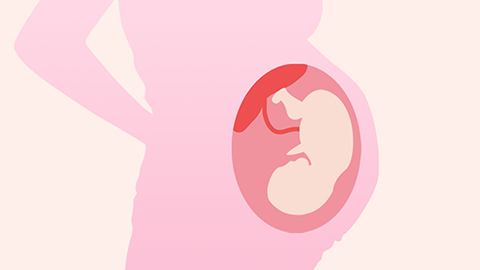
Not all cases of congenital heart disease involve hereditary factors; however, certain forms are indeed linked to genetics. Importantly, heredity does not necessarily mean that the parents themselves have heart disease—it may instead reflect underlying chromosomal abnormalities in one or both parents. Consequently, children of parents with heart disease may not develop the condition themselves; conversely, children born to parents without diagnosed heart disease may still develop CHD.

In summary, heart disease is not classified as a purely hereditary disorder, but it does exhibit certain genetic influences and familial clustering. If a family history of coronary artery disease is identified, affected individuals should seek medical evaluation promptly and proactively manage modifiable risk factors—such as hypertension and hyperlipidemia—to reduce the incidence of coronary artery disease. We hope this information has been helpful to you.


